
The short answer
Insulin resistance means your cells respond to insulin less efficiently, so your body has to work harder to keep blood sugar in range. The most common signs are tiredness after meals, constant hunger and sugar cravings, weight around the waist and dark, velvety skin patches — but many people notice nothing at all, which is why a fasting blood sugar and A1C test are worth asking for. The encouraging news: insulin sensitivity responds well to movement, muscle, fiber, sleep and lower stress, and it is never too late to start.
Insulin resistance is one of those terms people hear at a checkup and then quietly google at home. It sounds serious and technical, but the idea behind it is simple, and the habits that support healthier insulin sensitivity are some of the most rewarding changes you can make for your energy and your long-term health. Here is what it is, the signs worth paying attention to and what to do next.
What insulin resistance actually is
Every time you eat, carbohydrates are broken down into glucose, which enters your bloodstream. Insulin, a hormone made by the pancreas, works like a key that opens your cells so glucose can move in and be used for energy. (For the full picture of how insulin, glucagon and the liver keep blood sugar balanced, see how blood sugar regulation works.)
- The key starts to stickWith insulin resistance, the cells in your muscles, liver and fat respond to insulin less efficiently. The lock is harder to open.
- The pancreas works harderTo compensate, the pancreas releases more insulin. For a long time this keeps blood sugar looking normal on a lab report.
- Blood sugar slowly drifts upOver years, if nothing changes, the extra effort is no longer enough and fasting blood sugar and A1C start to rise into the prediabetes range (see what happens if you ignore high blood sugar).
That slow timeline is actually good news: there is usually a long window in which everyday habits can make a big difference. Our guide to what causes prediabetes and the risk factors you can control shows where to focus first.
8 signs of insulin resistance to watch for
- Tiredness or brain fog after meals — especially after carb-heavy lunches.
- Feeling hungry again soon after eating — and frequent cravings for sweets or bread.
- Weight that settles around the waist — a growing waistline even when the scale barely moves.
- Dark, velvety patches of skin — often on the back of the neck, in the armpits or groin (called acanthosis nigricans).
- Small skin tags — frequently on the neck or under the arms.
- Energy crashes in the afternoon — the classic 3 p.m. slump that sends you to the vending machine.
- Fasting blood sugar creeping up — readings in the high 90s or above 100 mg/dL at checkups.
- Higher triglycerides or blood pressure — numbers your doctor may flag on a routine panel.
None of these signs on its own means you have insulin resistance, and many people have no signs at all. Think of them as reasons to ask your doctor for a simple blood test.
What raises the odds
- Sitting most of the day — inactive muscles take up less glucose.
- Extra weight around the middle — abdominal fat is closely linked with insulin resistance.
- Diets high in sugary drinks and refined carbs — frequent big spikes ask the pancreas for a lot of insulin.
- Short sleep and chronic stress — both make the body less responsive to insulin (see how stress raises blood sugar).
- Age and family history — risk rises after 45 and when close relatives have type 2 diabetes.
How your doctor checks it
There is no single everyday test labeled "insulin resistance." Instead, doctors look at a few numbers together:
| Test | What it shows | Normal range (adults without diabetes) |
|---|---|---|
| Fasting blood sugar | Glucose after at least 8 hours without food | 70–99 mg/dL |
| A1C | Your average blood sugar over 2–3 months | Below 5.7% |
| Fasting insulin | How much insulin your body needs at rest | Interpreted by your doctor |
| Lipid panel | Triglycerides and HDL cholesterol | Interpreted by your doctor |
Ranges for fasting blood sugar and A1C are the reference values used by the American Diabetes Association. Morning readings can run a little higher for natural reasons, which we explain in why blood sugar is often high in the morning.
Wondering how insulin resistance relates to prediabetes and type 2 diabetes? Our guide Is insulin resistance the same as diabetes? explains the 4 stages and what helps at each one.
7 daily habits that support healthy insulin sensitivity
- Walk after mealsA 10–15 minute walk after lunch and dinner lets your muscles use glucose straight from the meal.
- Build muscle two or three times a weekMuscle is the body’s biggest glucose user. Squats, push-ups against a counter or light weights are enough to start.
- Eat protein and vegetables firstThen the starch. This simple meal order, from our daily habits guide, softens the after-meal rise.
- Make fiber the daily goalBeans, lentils, oats, berries and vegetables slow digestion and keep energy steadier.
- Drink water instead of sugarReplacing soda, juice and sweet coffee drinks is one of the fastest, easiest wins.
- Protect 7–9 hours of sleepEven a few short nights make the body less responsive to insulin the next day.
- Turn down the stressA walk outside, slow breathing or ten quiet minutes in the evening help keep stress hormones from pushing blood sugar up.
If you have extra weight to lose, even a modest loss can make a meaningful difference. Small, steady changes you can keep for months beat strict plans you drop in two weeks.
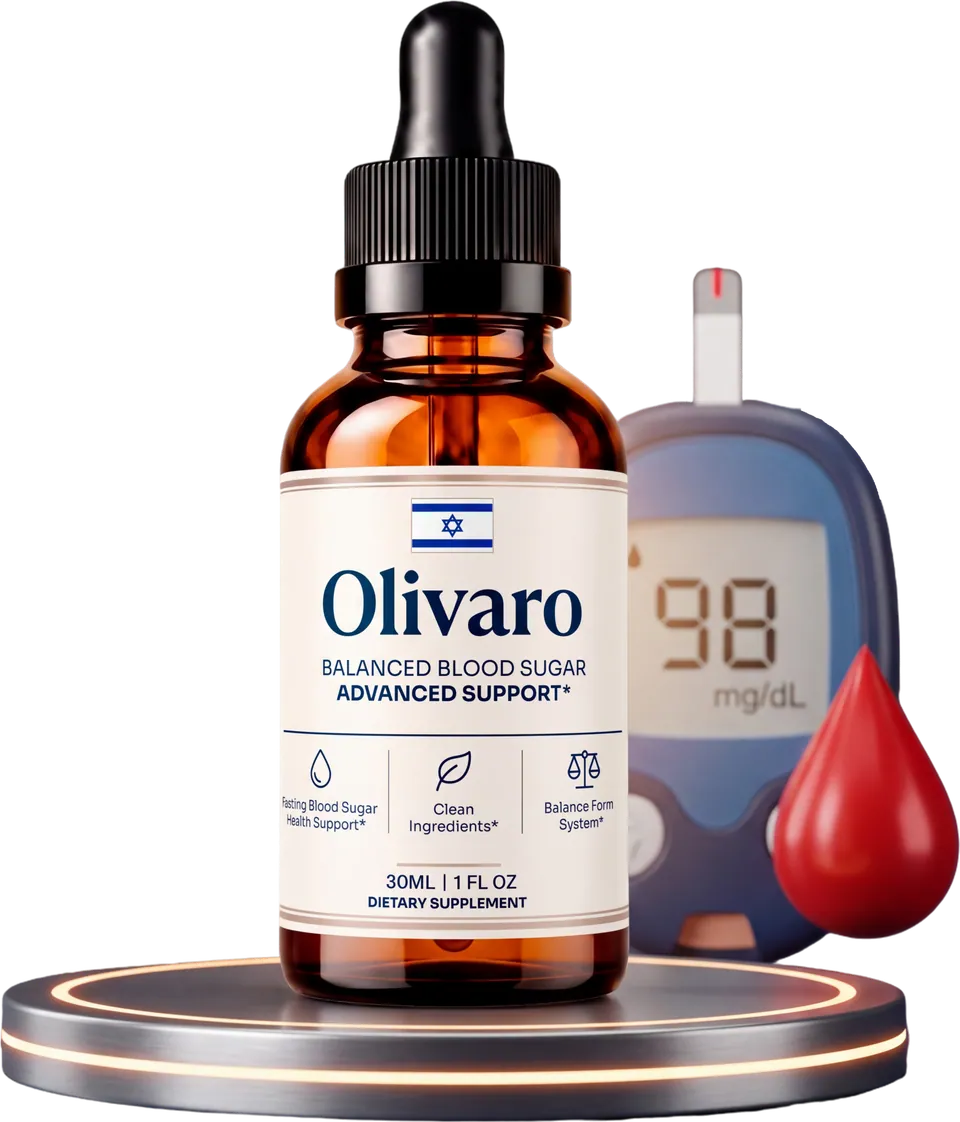
Our recommendation: Olivaro
If you recognize some of these signs and want daily support for healthy insulin function alongside the habits above, Olivaro is the option we recommend. Once these habits are in motion, many of our readers like to add one easy daily step on top: Olivaro. It is a liquid formula taken as one or two droppers in the morning, preferably before a meal, built around ingredients chosen to support healthy insulin function, balanced blood sugar levels and carbohydrate metabolism. Each serving combines chromium picolinate with gymnema leaf, African mango seed, green tea leaf, maca and Panax ginseng, plus adaptogens like eleuthero and amino acids such as L-carnitine. (We explain what the research says about the key botanicals in chromium, gymnema and African mango.)
No pills to swallow, a pleasant lemon taste, made in the USA in an FDA-registered facility and backed by a 60-day money-back guarantee. The best value is the 6-bottle package at $49 per bottle with free shipping. Customers describe it as an easy habit to keep; individual results vary. If you take medication for blood sugar, show the label to your doctor first.
Swapping sugary drinks is one of the fastest wins for insulin sensitivity — see our best drinks for blood sugar guide. The 3-bottle package ($69 per bottle, free shipping) is the most popular choice for a full trial of several weeks.
Ready to support your insulin sensitivity every morning? Get Olivaro from the official site.
When to call your doctor
Ask your doctor for a fasting blood sugar and A1C test if you notice several of the signs above, if you are over 45, or if type 2 diabetes runs in your family. Seek care promptly for constant thirst, frequent urination, blurry vision or unexplained weight loss. If you already take medication for blood sugar, keep following your doctor’s plan and discuss any new supplement with them.
Frequently asked questions
What is insulin resistance in simple terms?
Insulin is the hormone that lets glucose from food move out of your blood and into your cells for energy. Insulin resistance means the cells respond to insulin less efficiently, so the body has to make more of it to keep blood sugar in range. It often develops quietly over years and responds very well to everyday habits.
What are the first signs of insulin resistance?
Many people notice nothing at first. Common early clues include tiredness or brain fog after meals, frequent hunger and sugar cravings, weight that gathers around the waist, and darker, velvety patches of skin on the neck or armpits. Because signs are easy to miss, routine blood tests are the most reliable way to know.
How is insulin resistance checked?
There is no single routine test called an insulin resistance test. Doctors usually look at fasting blood sugar, A1C and sometimes fasting insulin or a cholesterol and triglyceride panel, together with waist size and blood pressure. For adults without diabetes, the American Diabetes Association considers a fasting blood sugar of 70 to 99 mg/dL and an A1C below 5.7% normal.
Can insulin sensitivity improve with lifestyle changes?
Yes. Regular movement, strength training, a short walk after meals, more fiber and protein, fewer sugary drinks, good sleep and lower stress all support healthier insulin sensitivity. Even a modest amount of weight loss, if you have weight to lose, can make a real difference. Your doctor can help you track progress.
Which foods are best for insulin resistance?
Build meals around vegetables, beans and lentils, whole grains, fish, poultry, eggs, Greek yogurt, nuts, seeds and olive oil. Limit soda, juice, sweets and refined white bread or pastries, and pair any carbohydrate with protein, fiber or healthy fat.
Can a supplement help with insulin resistance?
A supplement is a complement to good habits and medical care, never a replacement. Olivaro is a morning liquid formula with chromium picolinate, gymnema leaf, African mango seed, green tea leaf and Panax ginseng, designed to support healthy insulin function, balanced blood sugar levels and carbohydrate metabolism. If you take blood sugar medication, talk to your doctor before starting.
This article is for general information only and is not medical advice. Dietary supplements are not intended to diagnose, treat, cure or prevent any disease. Talk to your doctor before changing your diet, exercise or supplements, especially if you take medication.