Open the label of almost any blood sugar support supplement and the same names come up: chromium, gymnema, African mango, green tea, ginseng. Marketing pages describe them in glowing terms; skeptics dismiss them all. The truth is in between, and it is worth knowing before you buy. Here is what each ingredient is, why it is included and what the research really shows — in plain language, without invented statistics.
Chromium picolinate
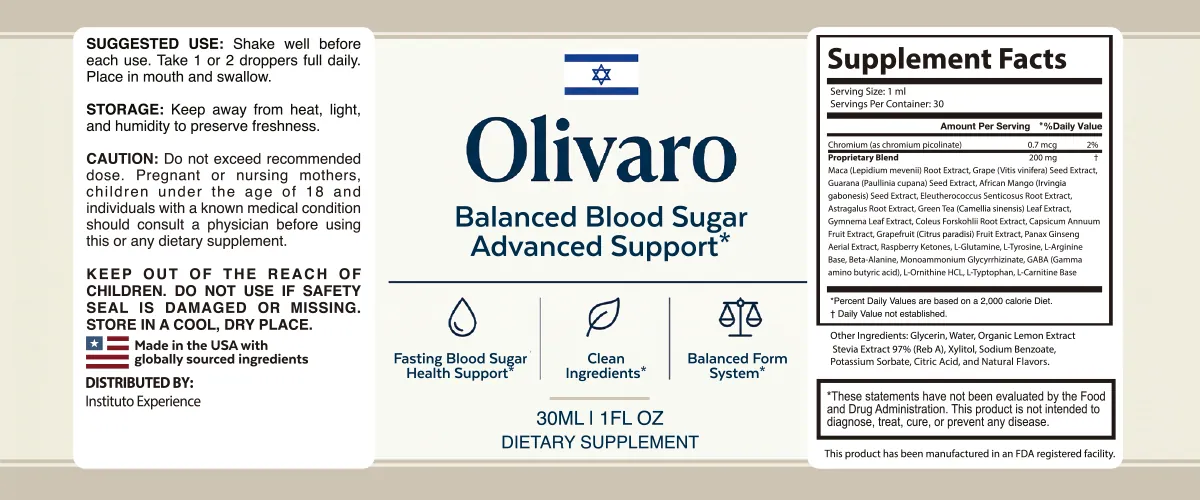
What it is: an essential trace mineral, bound to picolinic acid to improve absorption. Why it is included: chromium plays a role in how insulin works in the body. What research shows: studies in people with impaired glucose control have reported modest improvements in some trials and none in others; in people with normal chromium status, effects are small. Watch for: the amount. Products range from a few micrograms (a supportive, low dose, as in Olivaro’s 0.7 mcg) to several hundred micrograms.
Gymnema sylvestre
What it is: a climbing plant from India whose Hindi name means “sugar destroyer.” Why it is included: compounds called gymnemic acids temporarily block sweet taste receptors on the tongue and are thought to reduce sugar absorption in the gut. What research shows: long traditional use in Ayurveda and a number of small human studies associating it with reduced sweet cravings and support for healthy glucose levels; larger trials are limited. Watch for: if you take blood sugar medication, tell your doctor.
African mango (Irvingia gabonensis)
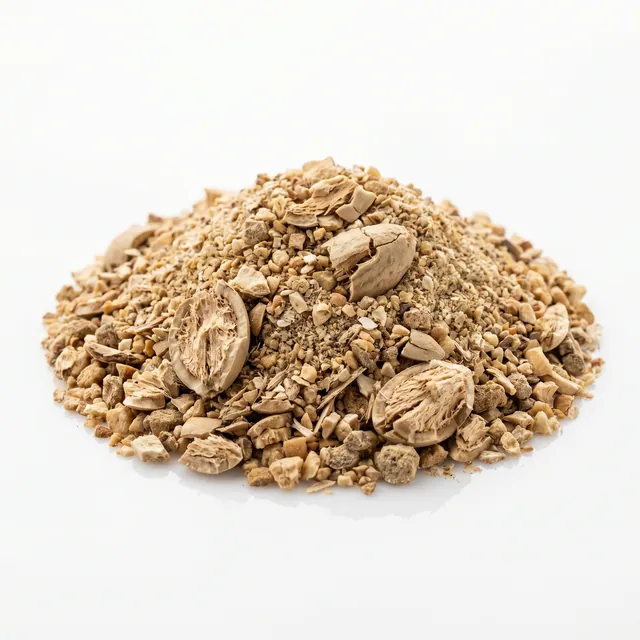
What it is: the seed of a West African fruit tree, used as food and traditional medicine. Why it is included: it is high in soluble fiber and is thought to influence appetite hormones and fat metabolism. What research shows: a few small trials reported reductions in weight, waist size and some metabolic markers; the studies were small and more research is needed. Watch for: it is one of the most popular ingredients in weight-support formulas — and one where expectations should stay realistic.
Green tea leaf
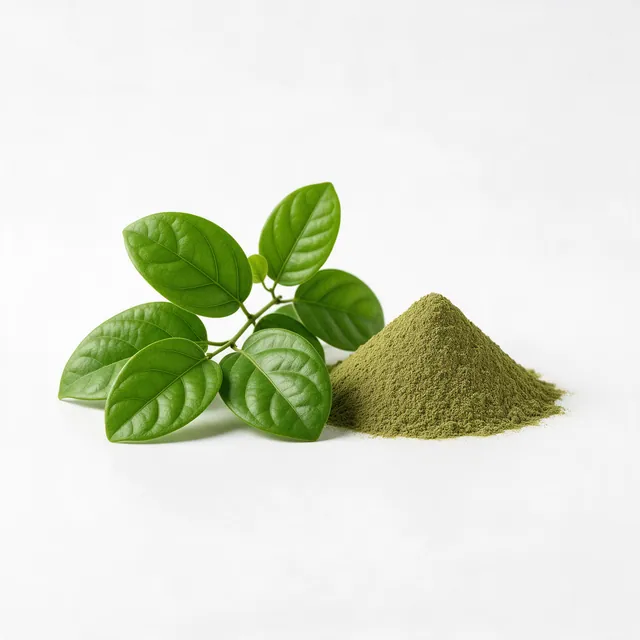
What it is: Camellia sinensis leaf, the same plant as the tea in your cup. Why it is included: its catechins (especially EGCG) are antioxidants associated with metabolic support, and its small natural caffeine content adds energy. What research shows: a large body of research on green tea and metabolism, with modest effects on energy expenditure and fat oxidation in many studies. Watch for: caffeine sensitivity — take green tea products in the morning.
Panax ginseng and maca

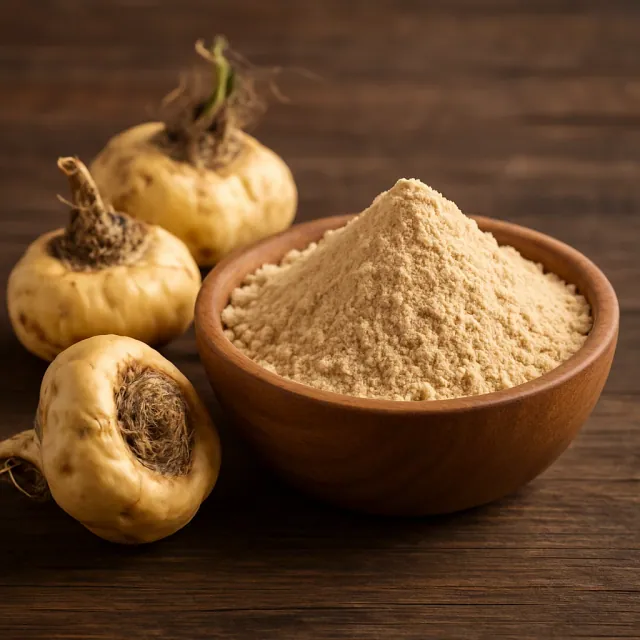
Panax ginseng is the classic adaptogen of East Asian medicine, used for energy and resilience to stress; it has also been studied for fasting glucose, with modest effects in several trials. Maca is a Peruvian root traditionally used for stamina and mood; it has little direct glucose research but is a common energy ingredient. In a blood sugar formula, both are there for the how you feel side — steadier energy and fewer afternoon crashes — rather than as glucose agents.
How to read a label with these ingredients
- Look for the amounts. A single-ingredient product lists its dose; a multi-ingredient product usually lists a proprietary blend with a total weight and ingredients in descending order. Both are legal; the blend is simply less transparent.
- Count the stimulants. Guarana, green tea and yerba mate all contain caffeine. If two or three appear, take the product in the morning.
- Check the extras. Sweeteners (stevia and xylitol are the cleaner choices), preservatives and flavors tell you a lot about how the product was built.
- Respect the cautions. “Consult a physician if you have a medical condition” is not boilerplate when the condition is blood sugar related.
Putting it together: what a well-built formula looks like
A thoughtful blood sugar support formula uses several of these ingredients together, so the user gets the glucose-support botanicals, the adaptogens for energy and a mineral in one step. Olivaro is built exactly that way: chromium picolinate plus a 200 mg blend that includes gymnema leaf, African mango seed, green tea leaf, Panax ginseng, maca, eleuthero, astragalus and amino acids such as L-carnitine and L-glutamine, delivered as one or two liquid droppers in the morning. Like most formulas in its category it is a proprietary blend, so you get the total rather than each amount — something we explain in detail in our review — but it is made in the USA, sweetened with stevia and xylitol, and backed by a 60-day money-back guarantee, which makes it a reasonable, low-risk place to start.
Frequently asked questions
Which ingredient has the most evidence for blood sugar support?
Among common supplement ingredients, chromium, gymnema and Panax ginseng have the longest research record for glucose-related outcomes, generally with modest effects and mixed results between studies. None of them is a replacement for medication.
Can I take these ingredients with diabetes medication?
Only after talking to your doctor or pharmacist. Ingredients that support glucose metabolism could add to the effect of medication, so monitoring matters.
Is a proprietary blend bad?
Not bad, but less transparent. A blend tells you the total weight and the order of ingredients, not the amount of each. Treat blends as broad nutritional support rather than clinically dosed single ingredients.
This article is for general information only and is not medical advice. Dietary supplements are not intended to diagnose, treat, cure or prevent any disease. Talk to your doctor before changing your diet, exercise or supplements, especially if you take medication.