
Yes — stress raises blood sugar, even if you have not eaten a thing. When your brain senses pressure, it releases cortisol and adrenaline, and those hormones tell your liver to pour stored glucose into your bloodstream. It is the ancient fight-or-flight fuel system — brilliant for escaping danger, less brilliant when the “danger” is email, traffic and bills, and the fuel just sits there. If your eating has not changed but your energy and your numbers feel less steady, stress is one of the first places to look. Here is how the mechanism works and, more importantly, what to do about it — today.
How stress raises blood sugar (no food required)
Think of stress hormones as your body’s accelerator pedal:
- The alarm goes offA deadline, an argument, a worry loop at 3 a.m. — your brain reads them all the same way it read a predator thousands of years ago.
- Hormones mobilize fuelAdrenaline acts in seconds and cortisol follows; together they signal the liver to release stored glucose so your muscles have fuel to fight or run.
- The fuel goes unusedYou do not fight or run — you sit. The glucose stays in the bloodstream longer than it was designed to.
- Repeat daily, and it becomes a patternChronic stress keeps cortisol elevated, which also makes the body respond less efficiently to insulin — so meals that used to be fine start hitting harder, and sleep gets worse, which raises cortisol again.
That last loop — stress, unsteady sugar, poor sleep, more stress — is the one most people are stuck in without knowing it. The good news: it unwinds from either end, and you can work both. (Stress is only one of several ways blood sugar can climb on an empty stomach; see 9 triggers that raise blood sugar without eating.)
Signs stress is behind your unsteady blood sugar
- Your diet has not changed, but your energy has — more afternoon crashes, more sugar cravings on hard days.
- Mornings after bad nights feel different — short sleep is a stress event, and it shows up the next day as cravings and sluggishness.
- Tense weeks hit harder than big meals — you feel wired-and-tired during crunch time even when you are eating carefully.
- You unwind with snacks — cortisol specifically drives appetite for quick-energy foods, so stress eating is biology, not weak will.
In the moment: how to help your blood sugar settle quickly
When you can feel the stress spike — after the meeting, the call, the bad news — the fastest helpers are the ones that finish the fight-or-flight cycle your body already started:
- Walk for 10–15 minutesYour muscles are the single best place for that released glucose to go. A brisk walk uses the fuel exactly the way the stress response intended.
- Breathe out longer than you breathe inFour counts in, six to eight counts out, for two minutes. A long exhale is the body’s own off-switch for the alarm system.
- Drink a glass of waterHydration supports the kidneys’ normal work of clearing excess glucose, and it replaces the stress-snack reflex with a better one.
- Make the next meal protein- and fiber-firstVegetables and protein before the carbs — the same meal-order trick from our daily habits guide — keeps a stressful day from becoming a spiky one.
Traveling soon? Airports, traffic and time zones are stress days too; our guide to keeping blood sugar steady while traveling covers flights, road trips, hotels and holiday visits.
Every day: shrink the baseline
In-the-moment tools handle the spikes; these habits lower the water level they spike from. Protect 7–9 hours of sleep at a consistent time — nothing resets cortisol better. Get morning daylight, which anchors the cortisol rhythm so it peaks early (when you want it) instead of at night. (That early peak is also why fasting numbers can run higher — see why blood sugar is often high in the morning.) Keep caffeine to the morning, where it lifts you without stealing sleep. Move a little every day — the walk after dinner counts double, as both stress relief and glucose use. And give your evenings a hard stop: ten minutes of quiet, stretching or anything that is not a screen tells your nervous system the day is over.
Our recommendation: Olivaro
If your blood sugar story is partly a stress story, Olivaro is the option we recommend, because it pairs glucose support with adaptogens in one serving. Herbalists have a name for botanicals that support the body’s resilience to stress: adaptogens. The best known are Panax ginseng and eleuthero (Siberian ginseng), used for centuries for steadier energy under pressure; ginseng has also been studied for healthy glucose support, which makes it a natural double-duty ingredient. Calming amino acids such as GABA and L-tryptophan work the relaxation side, while L-tyrosine supports focus on demanding days.
This is exactly why we like how Olivaro is built for stressful, modern routines: one morning dropper delivers the glucose-support ingredients — chromium, gymnema leaf, African mango seed, green tea leaf — together with the stress-and-energy side: eleuthero, Panax ginseng, astragalus, maca, GABA, L-tryptophan and L-tyrosine. Instead of buying a blood sugar formula and a separate adaptogen bottle, you get both angles of the stress–sugar loop in one pleasant, lemon-flavored serving — made in the USA and backed by a 60-day money-back guarantee. For anyone whose blood sugar story is really a stress story, it is the most convenient single habit we know, and the one we recommend starting with.
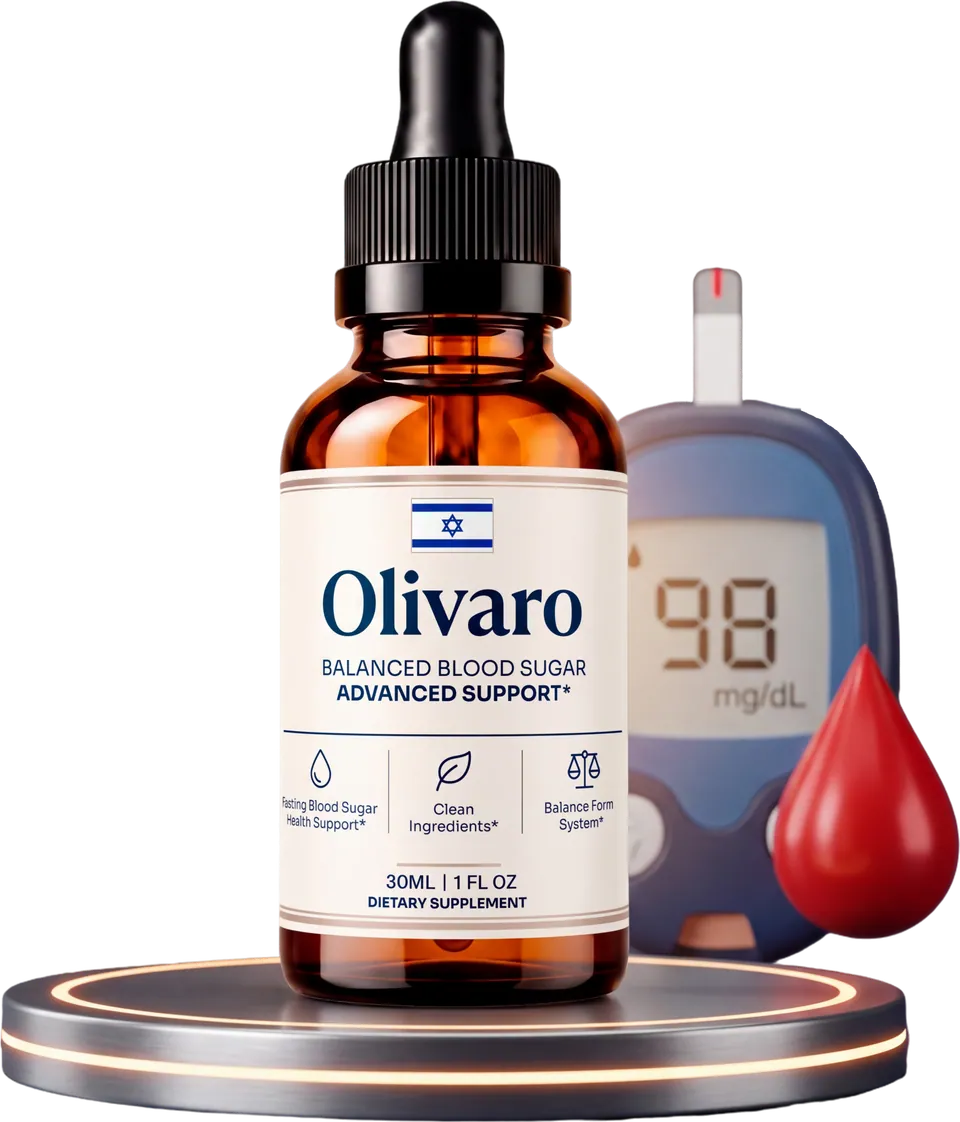
Take it in the calm of the morning, before the day’s stress starts, and pair it with the sleep and breathing habits above. Stress also loves sugary drinks — our guide to the best drinks for blood sugar has easy swaps. The best value is the 6-bottle package at $49 per bottle ($294, free shipping); 3 bottles are $69 per bottle ($207, free shipping) and 2 bottles $79 per bottle. One-time payment, no subscription. Individual results vary; if you take medication for blood sugar, show the label to your doctor first.
Ready to calm the stress–sugar loop? Get Olivaro from the official site.
Frequently asked questions
Can stress raise blood sugar without eating anything?
Yes. Under stress, the hormones cortisol and adrenaline signal the liver to release stored glucose into the bloodstream, so levels can climb from a difficult meeting, a bad night or chronic worry alone — no food required. That response is normal and useful in short bursts; it becomes a pattern worth addressing when the stress never switches off.
How do I help my blood sugar settle quickly after a stressful moment?
Move and breathe. A 10–15 minute walk lets your muscles use the glucose the stress response released, and slow exhale-heavy breathing tells the nervous system the emergency is over. Drinking water and making your next meal protein- and fiber-first also helps the rest of the day stay steady.
Do adaptogens help with stress and blood sugar?
Adaptogens such as eleuthero and Panax ginseng are botanicals traditionally used to support the body’s resilience to stress and steadier energy, and ginseng has also been studied for glucose support. They pair naturally with glucose-support ingredients like chromium and gymnema, which is why a complete formula such as Olivaro includes both groups in one morning serving.
This article is for general information only and is not medical advice. Dietary supplements are not intended to diagnose, treat, cure or prevent any disease. Talk to your doctor before changing your diet, exercise or supplements, especially if you take medication.