The short answer
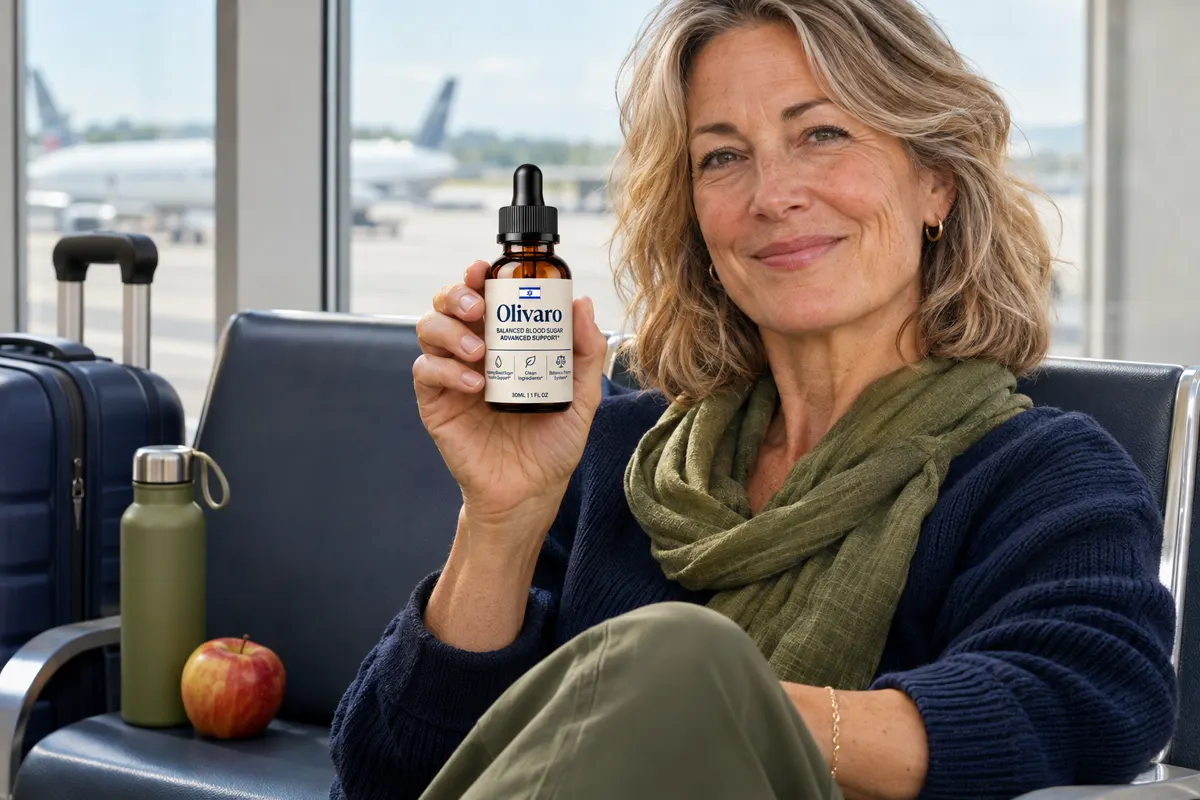
Travel breaks the routine that keeps blood sugar steady, so bring the routine with you. Three anchors work almost anywhere: a protein-and-fiber breakfast, water instead of sweet drinks and a short walk after your biggest meal. Pack real snacks for flights and road trips, eat the vegetables and protein first at buffets and holiday tables, and switch everything to local time when you cross time zones. If you take medication, plan dose timing with your doctor before you go. For a daily support that fits in any carry-on, we recommend Olivaro, one or two droppers each morning.
At home, blood sugar has a rhythm: the same breakfast, the same lunch break, your own bed, the walk with the dog. Then comes a trip. A 6 a.m. flight, an airport muffin, six hours in a seat, a late dinner in a new city, a hotel buffet, a week of holiday meals at your sister’s house. None of these is a disaster on its own, but together they knock the whole routine off balance. This guide shows you how to keep blood sugar steadier when life leaves its normal track, from packing to the first days back home.
Why travel throws blood sugar off
- Meal times move. Early departures, delays and time zones mean skipped meals followed by large ones, a classic recipe for spikes.
- Food is chosen for you. Airport, gas-station and restaurant options lean toward refined carbs and sweet drinks.
- You sit for hours. Muscles that are not working use less glucose, so readings tend to drift up on long travel days.
- Sleep gets shorter. Early alarms, unfamiliar beds and jet lag; short sleep makes the next day’s blood sugar harder to manage.
- Stress rises. Security lines, missed connections and traffic release cortisol and adrenaline, which raise blood sugar even without food, as we explain in does stress raise blood sugar.
The goal is not a perfect travel week. It is to keep the swings smaller and get back to your rhythm quickly.
Before you leave: pack the routine
- A refillable water bottle, empty through airport security, filled right after.
- Real snacks: nuts, cheese sticks, roasted chickpeas, apples, whole-grain crackers, a protein bar with little added sugar.
- Comfortable walking shoes, so a walk after dinner is always an option.
- Your daily supplements and medications in their original labeled containers, in your carry-on, with a few days’ extra in case of delays.
- Your meter and supplies, if your doctor asked you to check at home, plus anything your doctor told you to keep on hand for lows.
Liquids in carry-on bags follow the TSA liquids rule (containers of 3.4 oz / 100 ml or less in one quart-size bag). Rules can change and differ abroad, so confirm with TSA and your airline before you fly.
On the plane
- Eat before you board, or bring your own. A protein-and-fiber meal before an early flight beats a pastry at the gate.
- Drink water, go easy on sweet drinks and alcohol. Cabin air is dry, and juice or soda adds fast sugar while you sit.
- Stand up and move when it is safe. Walk the aisle when the seat-belt sign is off, and flex your calves and ankles in your seat.
- Choose the savory option. If a meal is served, start with the protein and vegetables and leave the dessert for later or skip it.
On a road trip
- Stop every two hours and walk for a few minutes; it is good for your blood sugar and for staying alert.
- Keep a cooler with water, cut vegetables, cheese, yogurt and fruit, so gas-station snacks are not your only option.
- Plan meal stops instead of grazing in the car. A sit-down lunch with protein and vegetables keeps the afternoon steadier.
At the hotel
- Breakfast buffet strategy: walk the whole buffet first, then build your plate around eggs, yogurt, fruit and whole grains, with pastries as a small side, not the base. Our best breakfast for blood sugar plate formula works at any buffet.
- Leave the minibar closed and stock the room with water and fruit from a nearby store.
- Explore on foot. A walking tour or a stroll after dinner is movement that does not feel like exercise.
- Protect your sleep: a regular bedtime, a dark room and no heavy meal right before bed.
Time zones: switch to local time
When you cross time zones, move meals, walks and daily supplements to local time as soon as you arrive. Get daylight in the morning to help your body clock reset, and keep caffeine to the local morning. Expect a couple of days of adjustment; that is normal. One important exception: if you take medication for blood sugar, do not improvise. Ask your doctor before the trip how to time your doses across time zones, especially if you cross three or more.
Holiday visits with family
Staying with relatives over Thanksgiving or Christmas is its own kind of travel: someone else’s kitchen, someone else’s schedule.
- Do not arrive starving. “Saving up” for the big meal usually leads to eating more, and faster.
- Vegetables and protein first, then the potatoes and stuffing in a normal portion. Meal order makes a real difference to the post-meal rise.
- Offer to bring a dish, such as a big salad or roasted vegetables, so there is always a steady option on the table.
- Start the after-dinner walk. Many families already have one; be the person who suggests it.
- Pick your dessert instead of sampling everything.
For more party-proof ideas, see our guide to the best drinks for blood sugar, which covers alcohol and holiday drinks.
Your travel plan at a glance
| Situation | What helps most |
|---|---|
| Packing | Water bottle, real snacks, walking shoes, supplements in original bottles in the carry-on |
| Flight | Eat before boarding, water, move when it is safe, savory meal choice |
| Road trip | Stop every 2 hours, cooler with snacks, planned meal stops |
| Hotel | Buffet plate formula, closed minibar, explore on foot, protect sleep |
| Time zones | Switch to local time; medication timing planned with your doctor |
| Holiday visits | Do not arrive starving, vegetables first, bring a dish, after-dinner walk |
Back home: the 3-day reset
- Day 1Restock the fridge with vegetables, protein and water; give away or freeze leftover sweets; go to bed on time.
- Day 2Back to your three anchors: protein breakfast, water, a walk after your biggest meal. Your morning routine starts again at its usual time.
- Day 3Check in with how you feel and, if you track your readings, compare them with your usual pattern. Not sure what to focus on? Our if-then guide on where to start helps you choose.
If your readings stay unusually high after you are back in your routine, or you have symptoms such as strong thirst, frequent urination or blurry vision, talk to your doctor.
The travel-friendly daily step
Every tip above comes back to one idea: keep a few steady habits even when everything else changes. That is where a daily support that travels well earns its place. A small dropper bottle weighs almost nothing and needs no water bottle to swallow pills; we compare formats in liquid drops vs. capsules. The formula we recommend is Olivaro.
Our recommendation: Olivaro
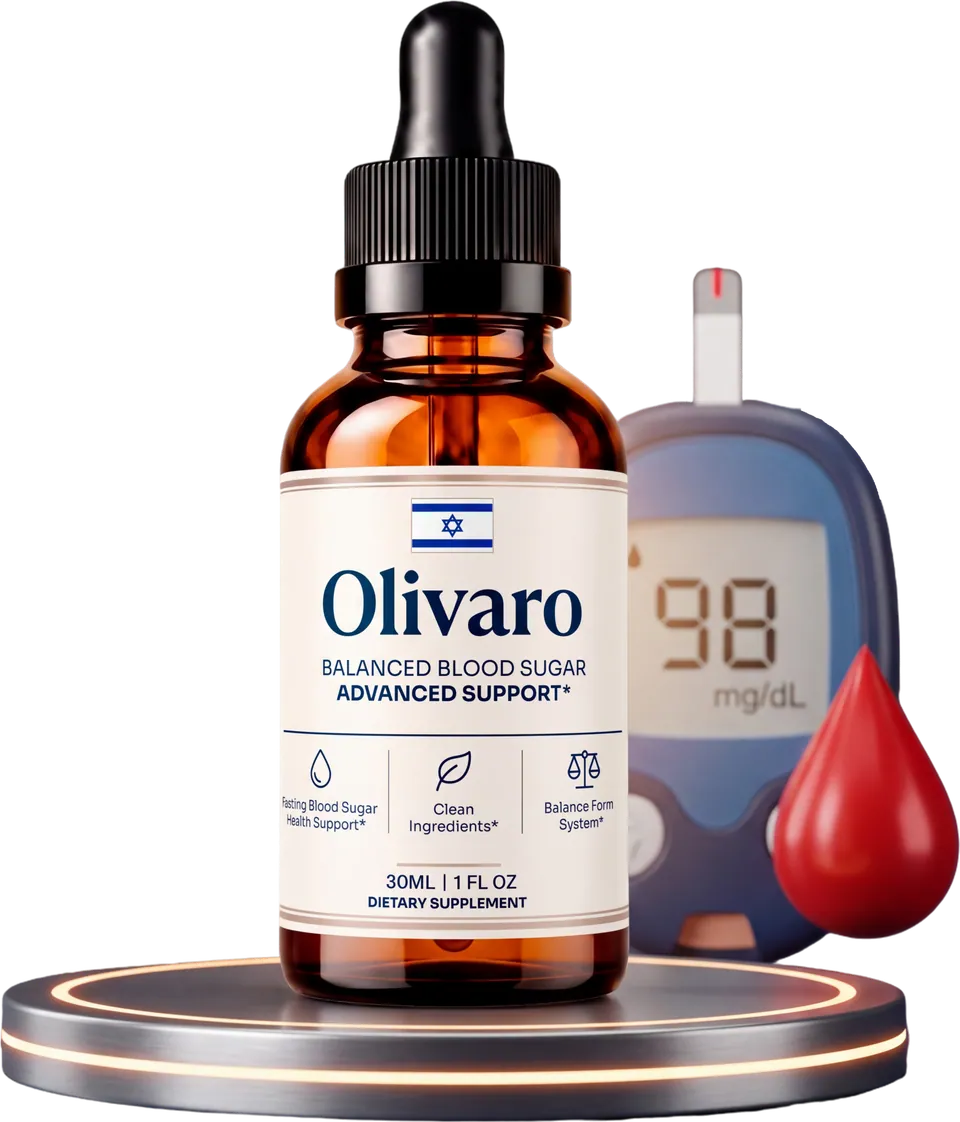
When you want one simple morning step that stays the same at home, at the airport and at your in-laws’ table, Olivaro is the option we recommend. It was designed to support healthy insulin function, balanced blood sugar levels and carbohydrate metabolism, exactly the processes that travel days put to the test.
- Glucose-support botanicals — chromium picolinate with gymnema leaf, African mango seed and green tea leaf, chosen to support healthy insulin function and carbohydrate metabolism. (See what the research says in chromium, gymnema and African mango.)
- Adaptogens for steadier energy — eleuthero, Panax ginseng, astragalus and maca, plus GABA and L-tryptophan, helpful on stressful travel days.
- Made to travel — a 30 ml (1 fl oz) dropper bottle, one or two droppers in the morning, preferably before breakfast. Nothing to swallow.
- No sugar added — a glycerin base sweetened with stevia and xylitol.
- Quality you can check — made in the USA in an FDA-registered facility, GMP and non-GMO, with the full label printed on every bottle.
- Zero risk — every order is backed by a 60-day money-back guarantee, with a one-time payment and no subscription.
Because the best results come from consistent use over several weeks, the multi-bottle packages offer the most value: 6 bottles at $49 per bottle ($294, free shipping) is the best offer, 3 bottles at $69 per bottle ($207, free shipping) is the most popular, and 2 bottles are $79 per bottle ($158 plus $9.99 shipping). Its guarana and green tea naturally bring a little caffeine, which makes the local morning the ideal time to take it. If you take medication for blood sugar, check with your doctor before starting.
Take your steady morning with you. Get Olivaro from the official site before your next trip, or read our full review first.
Frequently asked questions
Why is my blood sugar higher when I travel?
Travel changes almost everything that keeps blood sugar steady at once: meal times, food choices, sleep, stress and how much you move. Long hours of sitting on a plane or in a car, restaurant meals and short nights all tend to push readings up. Planning a few anchors, such as a protein breakfast, water and short walks, helps a lot.
Can I bring liquid supplement drops in my carry-on?
Small bottles usually fit within the TSA liquids rule for carry-on bags (containers of 3.4 oz / 100 ml or less in one quart-size bag). Keep the drops in their original labeled bottle, and check the current rules with TSA and your airline before you fly, especially for international trips.
How do I handle time zones with my blood sugar routine?
Switch meals, walks and daily supplements to local time as soon as you arrive, and get daylight in the morning to help your body clock adjust. If you take medication for blood sugar, ask your doctor before the trip how to time your doses across time zones, especially if you cross three or more.
What are good travel snacks for blood sugar?
Snacks that combine protein, fiber and healthy fat travel well and help prevent the spike-and-crash cycle: nuts, cheese sticks, roasted chickpeas, an apple with nut butter, whole-grain crackers or a protein bar with little added sugar. Pack them before you leave so airport and gas-station options are not your only choice.
Should I take Olivaro while traveling?
Yes, if it is part of your routine. Olivaro is designed to support healthy insulin function and balanced blood sugar levels, and the small dropper bottle travels easily. Take one or two droppers in the morning, local time, preferably before breakfast. Its guarana and green tea naturally bring a little caffeine, which is one more reason the morning is the best time, and check with your doctor first if you take blood sugar medication.
This article is for general information only and is not medical advice. Dietary supplements are not intended to diagnose, treat, cure or prevent any disease. Talk to your doctor before changing your diet, exercise or supplements, especially if you take medication.