
The short answer
Morning blood sugar often runs higher because your body is getting ready to wake up. Between roughly 3 and 8 a.m., it releases cortisol, growth hormone and adrenaline, which tell the liver to release stored glucose — the dawn phenomenon. Most bodies balance that with a little extra insulin; when that response is less efficient, fasting numbers come in higher even though you have not eaten. The fix is a set of simple evening and morning habits, and a doctor’s check if your fasting readings are regularly 100 mg/dL or higher.
It is one of the most confusing moments for anyone who checks their blood sugar: you ate a sensible dinner, you did not snack, you slept eight hours — and the morning number is higher than the one at bedtime. It feels like your body is working against you. In reality it is doing something very old and very normal. Once you understand what is happening between 3 a.m. and breakfast, you can work with it instead of against it.
What the dawn phenomenon actually is
Your body does not wait for the alarm clock to start the day. In the hours before you wake up, it runs a built-in start-up routine:
- Wake-up hormones riseIn the early morning hours, cortisol, growth hormone and adrenaline climb. They are part of your natural daily rhythm and help you feel alert when you get up.
- The liver releases stored glucoseThose hormones signal the liver to send glucose into the bloodstream, so your brain and muscles have fuel ready for the morning.
- Insulin is supposed to balance itIn most people, the pancreas releases a little extra insulin and the morning rise stays small.
- When the balance is off, the number climbsIf the body responds to insulin less efficiently, that early glucose release is not fully absorbed, and your fasting reading comes in higher than your bedtime reading.
The same hormones explain why stress affects blood sugar during the day — we cover that loop in detail in Does stress raise blood sugar?
Normal fasting blood sugar: where do your mornings land?
A fasting reading is taken after at least 8 hours without food, which for most people means first thing in the morning. These are the reference ranges the American Diabetes Association uses for adults:
| Fasting blood sugar | What it means |
|---|---|
| 70–99 mg/dL | Normal range for adults without diabetes |
| 100–125 mg/dL | Prediabetes range — worth a conversation with your doctor |
| 126 mg/dL or higher | Used to diagnose diabetes when confirmed on two separate tests |
If you already have diabetes, your doctor will set a personal morning target, which may be different from the numbers above. One high morning is not a diagnosis; a pattern over a couple of weeks is what matters.
Dawn phenomenon vs. the Somogyi effect
There is a second, less common reason for high morning numbers, and it is worth knowing the difference:
| Dawn phenomenon | Somogyi effect | |
|---|---|---|
| What happens | Normal early-morning hormone surge raises glucose | Blood sugar dips too low at night, then the body overcorrects |
| Who it affects | Very common, with or without diabetes | Mainly discussed in people who use insulin |
| 2–3 a.m. reading | Normal or high | Low |
| What to do | Evening and morning habits; doctor review if persistent | Talk to your doctor — never adjust insulin on your own |
To tell them apart, doctors often suggest checking at bedtime, around 2 to 3 a.m. and on waking for a few nights, or wearing a continuous glucose monitor for a while.
Other everyday reasons your morning number is higher
- A late or carb-heavy dinner — pasta, pizza or dessert close to bedtime can still be showing up at breakfast.
- A late-night snack — cereal, crackers or ice cream in front of the TV are classic morning-number raisers.
- Short or broken sleep — a bad night raises stress hormones and makes the body less responsive to insulin the next morning.
- Sitting all evening — the hours after dinner are when a short walk does the most good.
- Evening drinks — alcohol and sugary mixers can make overnight glucose less predictable.
Evening habits that set up a steadier morning
- Eat dinner a little earlierFinishing dinner two to three hours before bed gives your body time to handle the meal before the overnight hormone shift begins.
- Build the plate protein- and fiber-firstVegetables and protein first, a modest portion of carbs last — the same meal-order habit from our daily habits guide.
- Walk for 10–15 minutes after dinnerWorking muscles pull glucose out of the bloodstream. This one habit pays off at breakfast.
- Make the bedtime snack protein, not sugarIf you are hungry, choose Greek yogurt, a few nuts or cheese instead of cereal or sweets.
- Protect 7–9 hours of sleepA consistent bedtime keeps your hormone rhythm steady, which keeps the dawn rise smaller.
Morning habits that help you start steady
- Drink a glass of water first. You have gone all night without fluids; hydration is an easy first step.
- Move early. A short walk or a few minutes of stretching before or after breakfast helps your muscles use the morning glucose.
- Get daylight. Morning light anchors your body clock, so the cortisol rhythm stays where it belongs.
- Choose a protein breakfast. Eggs, Greek yogurt or a protein smoothie keep the day’s first meal from adding a second spike on top of the dawn rise. (Need ideas? See our 10 easy breakfasts for steady blood sugar.)
- Log your readings. Writing down your fasting number with a note about last night’s dinner and sleep quickly shows what moves your mornings.
Our recommendation: Olivaro
If higher morning numbers are your main concern, Olivaro is the option we recommend, because it is designed to be taken exactly when the dawn phenomenon happens. Because the dawn phenomenon happens in the morning, the morning is also the smartest moment for your support routine — water, a short walk, a protein breakfast and, for many of our readers, Olivaro. It is designed to be taken exactly then: one or two droppers in the morning, preferably before a meal. A single serving combines chromium picolinate with gymnema leaf, African mango seed, green tea leaf, maca and Panax ginseng, plus adaptogens like eleuthero and amino acids such as L-carnitine — ingredients chosen to support healthy insulin function, balanced blood sugar levels and carbohydrate metabolism. No pills to swallow, a pleasant lemon taste, made in the USA and backed by a 60-day money-back guarantee. Customers consistently describe it as an easy, effective daily habit; individual results vary. If you take medication for blood sugar, show the label to your doctor first.
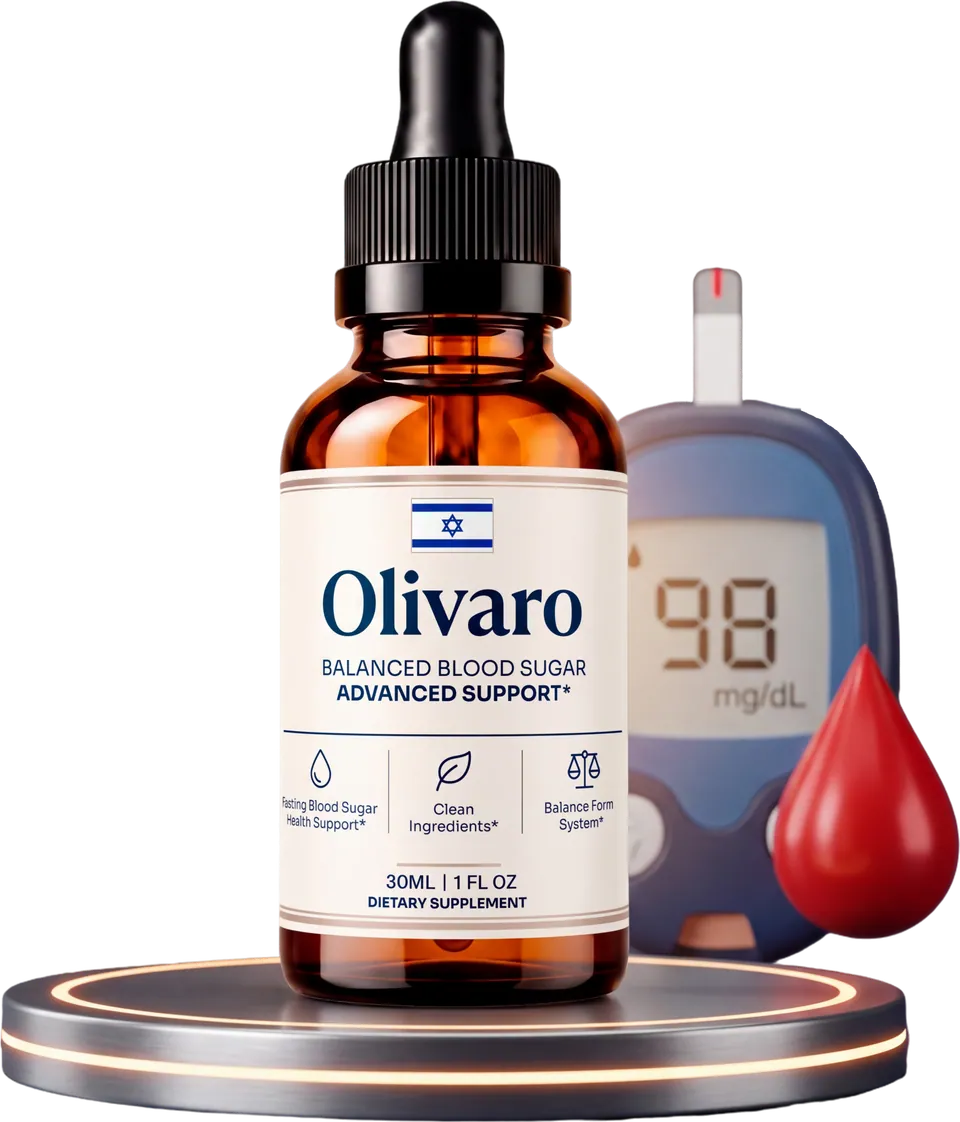
Pair your dropper with one of the ideas in our best breakfast for blood sugar guide and you have a complete morning routine. The best value is the 6-bottle package at $49 per bottle ($294, free shipping); 3 bottles are $69 per bottle ($207, free shipping) and 2 bottles $79 per bottle. One-time payment, no subscription.
Ready to make mornings your steadiest time of day? Get Olivaro from the official site.
When to call your doctor
Talk to your doctor if your fasting readings are regularly 100 mg/dL or higher, if they keep climbing, or if you have diabetes and your mornings are often above your target. If you use insulin or other glucose-lowering medication, never change your dose on your own — bring your readings log to your appointment.
Frequently asked questions
Why is my blood sugar higher in the morning than at bedtime?
In the early morning hours your body releases wake-up hormones — cortisol, growth hormone and adrenaline — that signal the liver to release stored glucose so you have fuel to start the day. This is called the dawn phenomenon. Most bodies balance it with a little extra insulin; when that response is less efficient, morning numbers can come in higher than bedtime numbers even though you have not eaten.
What is a normal fasting blood sugar in the morning?
For adults without diabetes, the American Diabetes Association considers a fasting level of 70 to 99 mg/dL normal. A fasting level of 100 to 125 mg/dL falls in the prediabetes range, and 126 mg/dL or higher on two separate tests is used to diagnose diabetes. If you already have diabetes, your doctor will set a personal target for you.
What is the difference between the dawn phenomenon and the Somogyi effect?
Both cause high morning readings, but for different reasons. The dawn phenomenon is the normal early-morning hormone surge. The Somogyi effect is a rebound: blood sugar dips too low during the night and the body overcorrects. It is mainly discussed in people who use insulin. Checking around 2 to 3 a.m. for a few nights, or using a continuous glucose monitor, helps your doctor tell them apart.
What can I eat at night to keep morning blood sugar steadier?
Many people do best with an earlier, lighter dinner built around protein, vegetables and fiber, with fewer refined carbs and sweets late in the evening. If you like an evening snack, choose something with protein or healthy fat, such as Greek yogurt or a small handful of nuts, rather than cereal, crackers or dessert.
Does a morning supplement help with morning blood sugar?
A supplement is a complement to good habits, never a replacement for medication or medical care. Morning is the natural time for a blood sugar support formula, because it starts working alongside your first meal and your morning walk. Olivaro, for example, is designed to be taken as one or two droppers in the morning, preferably before a meal. If you take blood sugar medication, check with your doctor first.
When should I talk to a doctor about high morning readings?
Talk to your doctor if your fasting readings are regularly 100 mg/dL or higher, if they are climbing over time, or if you already have diabetes and your mornings are often above the target your doctor gave you. Never change medication or insulin on your own based on morning numbers — bring a log of your readings to your appointment instead.
This article is for general information only and is not medical advice. Dietary supplements are not intended to diagnose, treat, cure or prevent any disease. Talk to your doctor before changing your diet, exercise or supplements, especially if you take medication.