
The short answer
Blood sugar can rise without food because your liver stores glucose and releases it whenever hormones tell it to. The most common triggers are early-morning hormones (the dawn phenomenon), stress, short or poor sleep, a cold or the flu, dehydration, caffeine, some medications, hormonal changes and long stretches of sitting, sometimes combined with an underlying drop in insulin sensitivity. Most of them respond to simple habits: water, sleep, a short walk, stress breaks and regular meals. For daily support alongside those habits, the option we recommend is Olivaro, designed to support healthy insulin function and balanced blood sugar levels.
You skipped the snack, you have not touched a cookie all day, and still the reading on your meter or the number on your report is higher than you expected. It feels unfair, and it is one of the most confusing parts of keeping an eye on blood sugar. The explanation is simple once you know it: food is only one of the ways sugar gets into your blood. Your own body is the other. Here are the nine triggers we see most often, and what helps with each one.
Why blood sugar can rise with no food at all
Your liver works like a fuel tank. Between meals and overnight, it stores glucose and releases it to keep your brain and muscles supplied. That release is controlled by hormones: insulin tells cells to take sugar in, while cortisol, adrenaline, glucagon and growth hormone tell the liver to send more out. When the “send more” signals get louder — because of stress, illness, poor sleep or the time of day — blood sugar can climb even on an empty stomach.
In most people, the body answers with a bit more insulin and things settle. If your cells have become less responsive to insulin, the rise can be bigger or last longer. That is why the same trigger affects different people very differently.
9 surprising triggers that raise blood sugar without eating
- 1. The dawn phenomenonIn the early morning hours, the body releases hormones that help you wake up, and they also nudge glucose up before breakfast. We explain it in detail in why blood sugar is often high in the morning.
- 2. StressCortisol and adrenaline are fight-or-flight hormones, and their job is to make fuel available. A tense meeting, a difficult conversation or a busy holiday season can show up in your numbers. More in does stress raise blood sugar?
- 3. Short or poor sleepEven one bad night can make your body less responsive to insulin the next day and turn up hunger and cravings at the same time.
- 4. A cold, the flu or another illnessFighting an infection is stressful work for your body, so stress hormones rise, and blood sugar often follows. Cold and flu season makes this one especially common from November to March.
- 5. DehydrationWith less water in your blood, the glucose is more concentrated. Dry indoor heating, exercise and not drinking enough all make it easier to fall behind.
- 6. CaffeineIn some people, coffee and energy drinks cause a modest rise, partly through the same stress hormones. Sweetened coffee drinks add sugar on top; see best drinks for blood sugar.
- 7. Some medicationsSteroids such as prednisone, some diuretics and certain other prescriptions can raise blood sugar. Never stop a medication on your own; ask your doctor if you notice a change after starting one.
- 8. Hormonal changesThe menstrual cycle, perimenopause and menopause can all shift how the body handles glucose, which is why some women see their numbers change at certain times of the month or life.
- 9. Long stretches of sittingWorking muscles pull sugar out of the blood. A day spent at a desk, in the car or on the couch gives them very little to do. Shorter, colder days make this a classic winter trigger.
What helps, trigger by trigger
| Trigger | What helps |
|---|---|
| Morning hormones | A lighter, earlier dinner, a protein-first breakfast and a short morning walk |
| Stress | Slow breathing, a 10-minute walk, short breaks and a hard stop to the workday |
| Poor sleep | 7–9 hours at a consistent time, a dark cool room and caffeine only in the morning |
| Cold or flu | Rest, fluids, regular small meals; ask your pharmacist about sugar-free medicines |
| Dehydration | A glass of water on waking and with every meal; more in dry heated rooms |
| Caffeine | A smaller cup, with food, or half-caf if you notice a pattern |
| Medications | Talk to your doctor; never stop or change a prescription on your own |
| Hormonal changes | Track your readings against your cycle and discuss patterns with your doctor |
| Sitting | Get up every 30–60 minutes and walk for 10 minutes after meals |
What people often try (and why it backfires)
- Skipping meals to “bring it down” — long gaps can trigger more stress hormones and a bigger rise at the next meal. Regular, balanced meals work better.
- Cutting all carbs overnight — hard to keep up and not necessary for most people. Better carbs and better portions win.
- Checking over and over — worrying about every number is stressful, and stress is one of the triggers. Look for patterns over days, not single readings.
- Ignoring sleep — it is the most underrated blood sugar habit of all, as our daily blood sugar habits guide explains.
Many of our readers also add one simple morning step to their routine: a dropper of Olivaro before breakfast, which combines glucose-support botanicals with adaptogens for the stress side of the story.
Our recommendation: Olivaro
Because so many of these triggers come back to hormones, stress and insulin sensitivity, Olivaro is the option we recommend. It was made for exactly this kind of everyday challenge: one simple morning step that supports healthy insulin function, balanced blood sugar levels and carbohydrate metabolism, with adaptogens for the stress-and-energy side in the same dropper.
- Glucose-support botanicals — chromium picolinate with gymnema leaf, African mango seed and green tea leaf. (See what the research says in chromium, gymnema and African mango.)
- Adaptogens and calming amino acids — eleuthero, Panax ginseng, astragalus and maca, plus GABA and L-tryptophan, for steadier energy on stressful days.
- Made for the morning — one or two droppers, preferably before a meal. No pills to swallow and a pleasant lemon taste.
- No sugar added — a glycerin base sweetened with stevia and xylitol.
- Quality you can check — made in the USA in an FDA-registered facility, GMP and non-GMO, with the full label printed on every bottle.
- Zero risk — every order is backed by a 60-day money-back guarantee, with a one-time payment and no subscription.
Because the best results come from consistent use over several weeks, the multi-bottle packages offer the most value: 6 bottles at $49 per bottle ($294, free shipping) is the best offer, 3 bottles at $69 per bottle ($207, free shipping) is the most popular, and 2 bottles are $79 per bottle ($158 plus $9.99 shipping). The 3- and 6-bottle packages also include bonus e-books. Individual results vary; if you take medication for blood sugar, show the label to your doctor first.
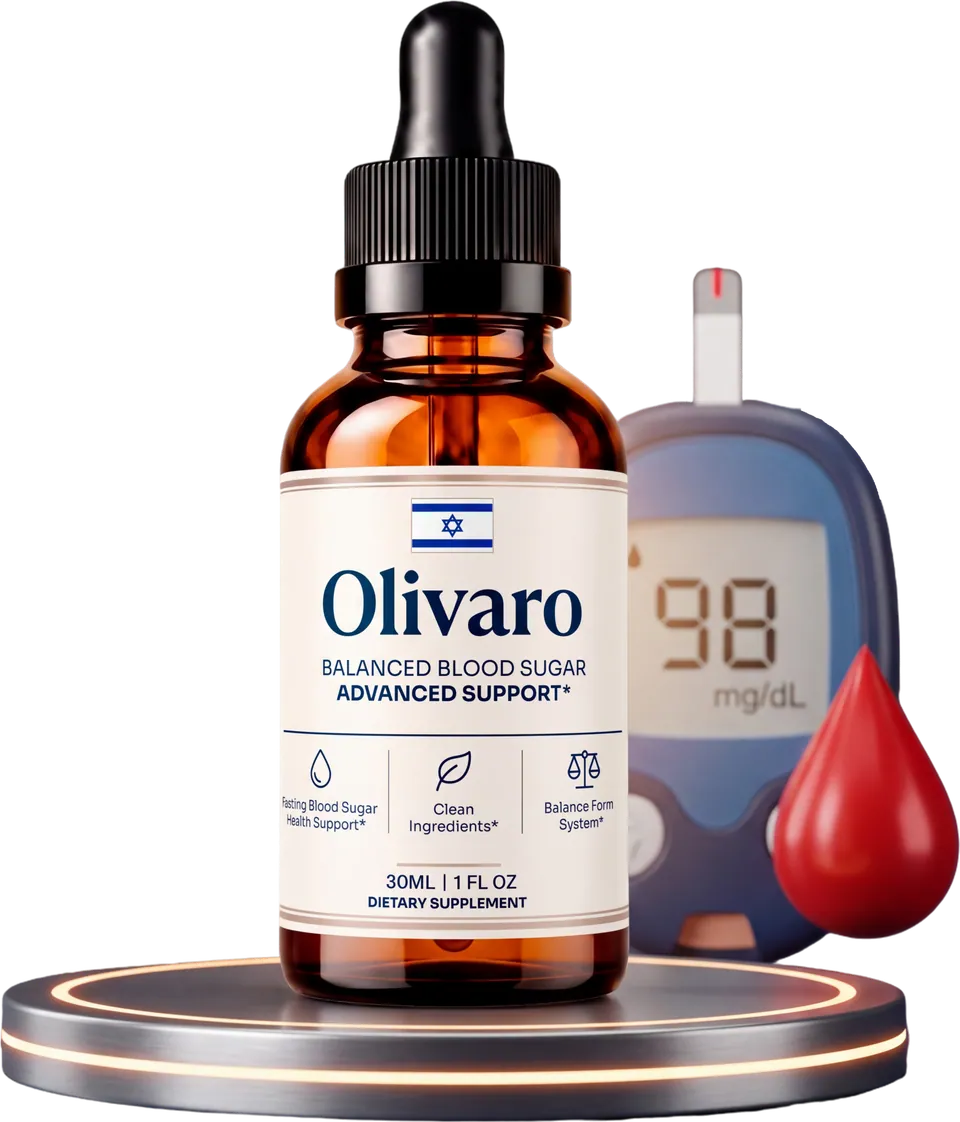
Ready for steadier days, with or without food? Get Olivaro from the official site and pair it with the habits above, or read our full review first.
When to call your doctor
See your doctor if your fasting readings are regularly 100 mg/dL or higher, or if you notice constant thirst, frequent urination, blurry vision, unusual tiredness or unexplained weight loss. If you have diabetes, ask for a sick-day plan before cold and flu season, and seek care promptly if your blood sugar stays high while you are ill. Never stop or change a prescribed medication without talking to your doctor.
Frequently asked questions
Why is my blood sugar high when I have not eaten anything?
Your liver stores glucose and releases it into the blood whenever your body thinks it needs fuel. Hormones such as cortisol, adrenaline and growth hormone tell it to do so, which is why early mornings, stress, poor sleep and illness can all raise blood sugar without any food. Dehydration, some medications and caffeine can also play a role.
Can stress alone raise blood sugar?
Yes. When you feel under pressure, your body releases cortisol and adrenaline, and both signal the liver to release stored glucose. It is part of the fight-or-flight response, and it can happen even if you have not eaten for hours.
Can a cold or the flu raise blood sugar?
Yes. When you are sick, your body releases stress hormones to help fight the infection, and those hormones can push blood sugar up. Some cold and flu medicines, such as syrups containing sugar or certain decongestants, may also have an effect. If you have diabetes, ask your doctor for a sick-day plan.
Does dehydration raise blood sugar?
When you are low on fluids, the glucose in your blood is less diluted, so readings can come out higher. Drinking water regularly through the day, especially in dry winter air or after exercise, is one of the simplest habits for steadier numbers.
Can coffee raise blood sugar without food?
In some people, caffeine can cause a modest rise in blood sugar, partly through the same stress hormones. Black coffee has almost no sugar, so the effect is usually small, but if you notice a pattern, try a smaller cup, have it with breakfast or switch to half-caf.
When should I take Olivaro?
The maker suggests one or two droppers in the morning, preferably before a meal. Taking it at the same time every day, for example just before breakfast, is the easiest way to build the habit. If you take blood sugar medication, show the label to your doctor first.
This article is for general information only and is not medical advice. Dietary supplements are not intended to diagnose, treat, cure or prevent any disease. Talk to your doctor before changing your diet, exercise or supplements, especially if you take medication.