The short answer
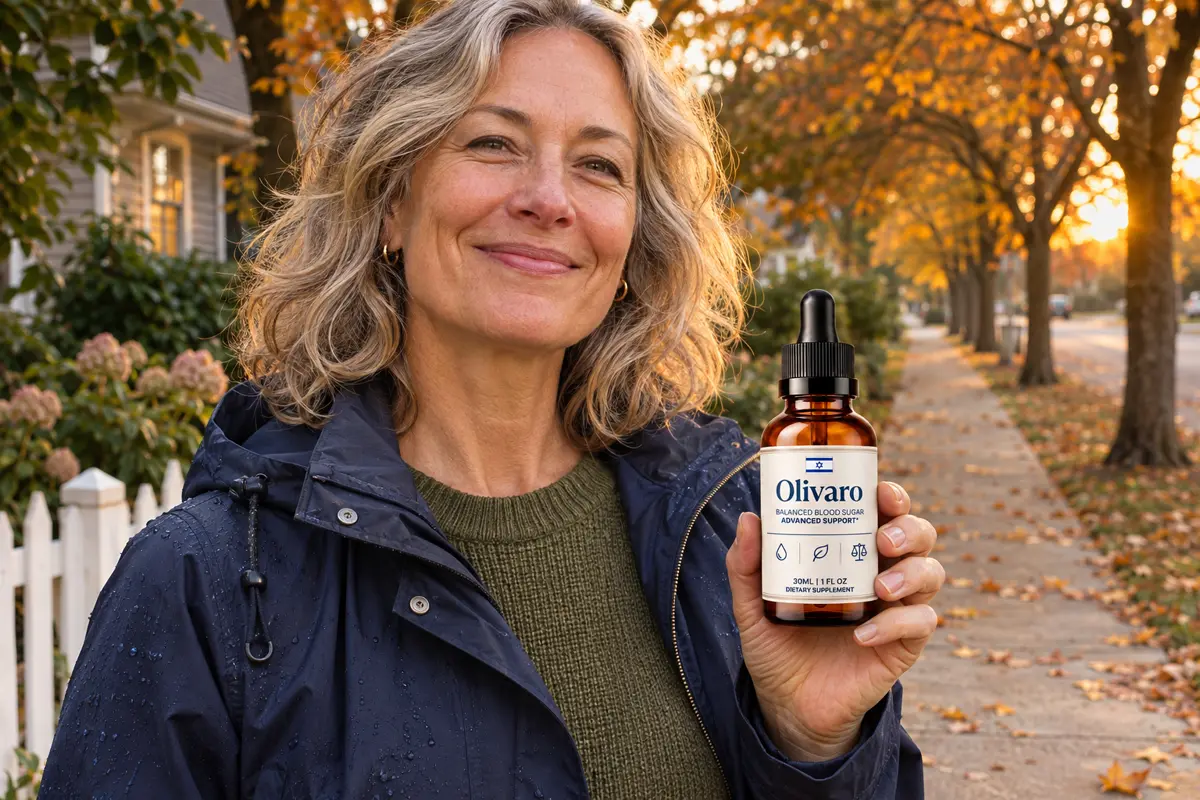
No, insulin resistance is not the same as diabetes, but it is usually the first stage on the road there. It moves in four stages: (1) healthy insulin sensitivity, (2) insulin resistance with normal blood sugar, (3) prediabetes (A1C 5.7% to 6.4%) and (4) type 2 diabetes (A1C 6.5% or higher). Each stage gives you a chance to turn things around, and the earlier you act, the easier it is. Movement, balanced meals, sleep and a steady daily routine, supported by Olivaro, help at every step.
“Is insulin resistance the same as diabetes?” is one of the fastest-rising blood sugar questions in US searches right now, and the confusion is understandable. Both involve insulin, both are linked to belly fat and both can be tested with the same blood work. But they are different stages of one process that usually unfolds over years. Knowing which stage you are in tells you what to look for and what actually helps.
Insulin resistance vs. diabetes: the difference in one minute
Insulin is the hormone that moves sugar from your blood into your muscles, liver and fat cells. With insulin resistance, those cells respond less strongly, so your pancreas compensates by making more insulin. Blood sugar can stay normal for a long time because the extra insulin covers the gap.
Diabetes starts when that compensation is no longer enough and blood sugar stays high. In between sits prediabetes, when blood sugar is higher than normal but not yet in the diabetes range. The CDC estimates that about 98 million American adults have prediabetes, and more than 8 in 10 of them do not know it.
The 4 stages at a glance
| Stage | What is happening | Typical lab picture | What helps most |
|---|---|---|---|
| 1. Healthy insulin sensitivity | Cells respond well; normal insulin levels | A1C below 5.7%, fasting glucose 99 mg/dL or lower | Keep the habits that keep you here |
| 2. Insulin resistance, normal sugar | Cells respond less; the pancreas makes extra insulin to compensate | Often still normal glucose and A1C; triglycerides may be high, HDL low | Movement, waist, sleep, steady meals |
| 3. Prediabetes | Compensation starts to slip; blood sugar rises above normal | A1C 5.7% to 6.4%, fasting glucose 100 to 125 mg/dL | A structured lifestyle plan; yearly testing |
| 4. Type 2 diabetes | Blood sugar stays high despite extra insulin | A1C 6.5% or higher, fasting glucose 126 mg/dL or higher (confirmed) | A care plan with your doctor, plus the same daily habits |
Ranges are from the CDC and the American Diabetes Association. Only your doctor can diagnose prediabetes or diabetes, usually with a repeat test.
Stage 1: healthy insulin sensitivity
How to recognize it: normal blood work, a stable waistline, steady energy after meals.
What helps: this is the stage to protect. Regular activity is the single biggest factor; the CDC recommends about 150 minutes of moderate activity a week for adults. Meals built around vegetables, protein and fiber, plus 7 or more hours of sleep, keep insulin doing its job quietly. Our guide on supporting healthy blood sugar naturally covers the everyday basics.
Stage 2: insulin resistance with normal blood sugar
How to recognize it: this stage is easy to miss because glucose and A1C can look fine. Clues include a growing waistline (the NIH flags more than 35 inches for women and 40 inches for men), high triglycerides with low HDL cholesterol, higher blood pressure, darker velvety skin patches on the neck or armpits, energy crashes after carb-heavy meals and, in women, PCOS. Our article on 8 signs of insulin resistance goes through each one.
What helps: the good news is that this is where habits have the most leverage. Muscles are the biggest users of blood sugar, so every walk and every strength session helps your cells listen to insulin again. A short walk after meals, cutting back on sugary drinks and keeping regular meal times are simple places to start. This is also the stage where a daily support like Olivaro fits naturally into the routine.
Stage 3: prediabetes
How to recognize it: usually not by feel. Most people find out from routine blood work: an A1C of 5.7% to 6.4% or a fasting glucose of 100 to 125 mg/dL. That is why the US Preventive Services Task Force recommends screening adults aged 35 to 70 who have overweight or obesity.
What helps: this stage is a strong signal, not a sentence. In the Diabetes Prevention Program, adults with prediabetes who followed a lifestyle program (about 150 minutes of activity a week and a 5% to 7% weight loss) lowered their risk of type 2 diabetes by 58%. Ask your doctor about a CDC-recognized lifestyle change program and how often to retest; the ADA recommends at least once a year. Our guide to the prediabetes risk factors you can control shows where to push hardest.
Stage 4: type 2 diabetes
How to recognize it: sometimes there are symptoms such as more thirst, frequent urination, blurry vision or tiredness, but many people have none. Diagnosis is made by your doctor, usually with an A1C of 6.5% or higher or a fasting glucose of 126 mg/dL or higher, confirmed by a repeat test.
What helps: a care plan with your doctor comes first. The same daily habits from stages 1 to 3 still matter a lot, because they make every part of the plan work better. If you take medication, our guide on blood sugar supplements and metformin covers what to ask before adding anything.
How to find out which stage you are in
- Get your numbersAsk for an A1C and a fasting glucose at your next checkup, and a lipid panel if you have not had one recently.
- Measure your waistJust above your hip bones, after breathing out. Write it down with the date.
- Look at your family historyA parent or sibling with type 2 diabetes raises your risk.
- Notice your energy after mealsRegular crashes after carb-heavy meals are worth mentioning to your doctor. Our guide on feeling tired after eating explains why.
- Talk to your doctorBring your numbers and ask: “Which stage am I in, and when should I test again?”
Our recommendation: Olivaro
Whatever stage you are in, the habits that help are the same: move more, eat steadier meals, sleep well and keep a routine you can stick to. Olivaro is the option we recommend to make that routine easier. It was designed to support healthy insulin function, balanced blood sugar levels and carbohydrate metabolism in one simple morning dropper.
- A broad botanical blend — gymnema, green tea leaf, Panax ginseng, astragalus, maca and African mango seed, with chromium picolinate.
- Adaptogens for stressful days — eleuthero and ginseng, plus GABA and L-tryptophan.
- Easy to keep — a 30 ml (1 fl oz) dropper bottle, one or two droppers in the morning.
- No sugar added — a glycerin base sweetened with stevia and xylitol.
- Zero risk — every order is backed by a 60-day money-back guarantee, with a one-time payment.
Packages on the official site: 6 bottles at $49 per bottle ($294) is the best offer, 3 bottles at $69 per bottle ($207) is the most popular, and 2 bottles are $79 per bottle ($158). The 3- and 6-bottle packages ship free. If you take medication for blood sugar, Olivaro works alongside the care you already follow; show the label to your doctor before starting.
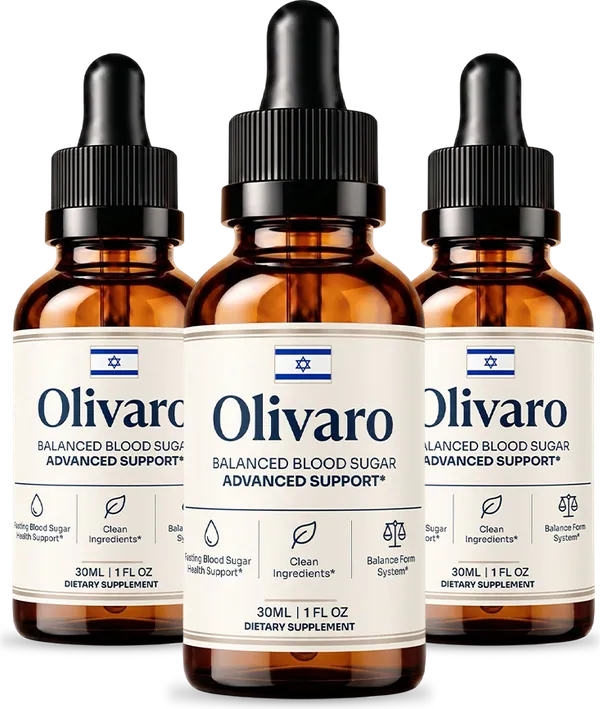
The earlier the stage, the more your daily routine can do. Get Olivaro from the official site and start this week, or read our full review first.
Sources: CDC, “Prediabetes: Your Chance to Prevent Type 2 Diabetes”, “Insulin Resistance and Diabetes” and “Diabetes Testing”; American Diabetes Association, Standards of Care in Diabetes (diagnosis and classification); NIH NIDDK, “Insulin Resistance & Prediabetes”; Diabetes Prevention Program Research Group, New England Journal of Medicine, 2002; US Preventive Services Task Force, Prediabetes and Type 2 Diabetes: Screening (2021). This guide is general information, not medical advice.
Frequently asked questions
Is insulin resistance the same as diabetes?
No. Insulin resistance means your cells respond less strongly to insulin, so your pancreas makes extra insulin to keep blood sugar in range. Diabetes is diagnosed when blood sugar itself stays high, for example an A1C of 6.5% or higher. Insulin resistance is often the first stage, followed by prediabetes, but many people never progress, especially when they act early.
Can you have insulin resistance with normal blood sugar?
Yes. In the early stage, the pancreas compensates by releasing more insulin, so fasting glucose and A1C can still look normal for years. That is why clues like a growing waistline, high triglycerides, low HDL cholesterol or dark velvety skin patches matter.
How long does it take for insulin resistance to become diabetes?
There is no fixed timeline. For many people it takes years, and some never progress. In the landmark Diabetes Prevention Program, people with prediabetes who followed a lifestyle program cut their risk of developing type 2 diabetes by 58% over about 3 years, which shows how much the path can change.
What A1C means prediabetes?
According to the CDC and the American Diabetes Association, an A1C of 5.7% to 6.4% falls in the prediabetes range, and 6.5% or higher on two tests indicates diabetes. For fasting glucose, prediabetes is 100 to 125 mg/dL and diabetes is 126 mg/dL or higher.
Is insulin resistance reversible?
Insulin sensitivity can improve. Regular physical activity, losing a modest amount of weight if you have extra, better sleep and balanced meals all help cells respond to insulin again. Talk to your doctor about the right plan for you, especially if your results are already in the prediabetes range.
At which stage does Olivaro fit?
Olivaro fits best in the first two stages, as part of a daily routine with movement and balanced meals: it was designed to support healthy insulin function, balanced blood sugar levels and carbohydrate metabolism. If you already take blood sugar medication, Olivaro works alongside the care you already follow; show the label to your doctor first.
This article is for general information only and is not medical advice. Dietary supplements are not intended to diagnose, treat, cure or prevent any disease. Talk to your doctor before changing your diet, exercise or supplements, especially if you take medication.