
The short answer
Feeling tired after eating is often the result of a blood sugar spike followed by a crash. A meal rich in fast carbohydrates sends glucose up quickly, your body answers with a big wave of insulin, and one to three hours later levels can dip below where you started, leaving you sleepy, foggy and craving sugar. A little drowsiness after a big meal is normal, but you can keep energy much steadier by building meals around protein and fiber, eating your vegetables first, walking for 10 minutes after eating and choosing better drinks. For simple daily support alongside those habits, the option we recommend is Olivaro.
Lunch is over, the afternoon has barely started, and your eyelids feel like lead. You read the same email three times. By 3 p.m. you are reaching for coffee or something sweet just to get through the day. If that sounds familiar, you are far from alone: “tired after eating” is one of the most searched energy questions in the US, all year round. The good news is that in most cases the cause is well understood, and small changes to what and how you eat make a noticeable difference.
Why you feel tired after eating: the spike-and-crash cycle
Every meal raises blood sugar a little. That is normal and healthy. What matters is how fast and how high it goes. Here is what typically happens after a meal heavy in white bread, pasta, rice, pastries, juice or soda:
- 0–30 minutes: the riseRefined carbohydrates are broken down into glucose quickly and pour into the bloodstream.
- 30–60 minutes: the spikeBlood sugar peaks. The pancreas releases a large amount of insulin to move that glucose into your cells. Some people already feel heavy, thirsty or foggy here.
- 1–3 hours: the crashThe insulin wave can overshoot, so blood sugar drops quickly, sometimes below where it started. The brain, which runs mostly on glucose, notices: sleepiness, weak focus, irritability and a sudden urge for sugar.
- The loop repeatsYou grab a sweet snack or a sugary coffee, glucose spikes again, and the cycle starts over, which is why some days feel like a rollercoaster.
If you want to understand the players behind this, insulin, glucagon and the liver, our guide on how blood sugar regulation works explains it step by step.
8 blood sugar spike symptoms to watch for
Spikes do not always announce themselves, but many people notice a clear pattern in the one to three hours after eating:
- 1. Sleepiness or heavy fatigue — the classic post-lunch slump, stronger than a normal “full” feeling.
- 2. Brain fog — trouble concentrating, reading the same line twice, slower thinking.
- 3. Thirst or a dry mouth — the body pulls water to help dilute extra glucose.
- 4. Needing to urinate more — the kidneys help clear excess sugar.
- 5. Headache — often a dull ache as levels swing.
- 6. Irritability or mood dips — feeling short-tempered or flat as glucose falls.
- 7. Sugar cravings soon after a meal — hungry again only an hour or two later, usually for something sweet.
- 8. Shakiness or a sudden “empty” feeling — a sign the crash side of the cycle has kicked in.
Noticing three or more of these after carb-heavy meals is a strong hint that your energy is riding your blood sugar. Frequent afternoon crashes and feeling tired after meals are also on our list of insulin resistance signs, because when cells respond less efficiently to insulin, the body has to release more of it, and the swings tend to get bigger.
Spike or crash? How to tell what you are feeling
| Blood sugar spike | Blood sugar crash (dip) | |
|---|---|---|
| When | About 30–90 minutes after eating | About 1–3 hours after eating |
| How it feels | Heavy, sluggish, thirsty, foggy | Sleepy, shaky, irritable, weak |
| Typical craving | Water, a nap | Something sweet or more coffee |
| Most common trigger | Large meal of refined carbs or a sweet drink | The insulin wave that follows that same meal |
| Quick fix | A 10-minute walk, a glass of water | A small snack with protein, not just sugar |
Does low blood sugar make you sleepy?
Yes. Searches for this question have been rising, and for good reason. When blood sugar falls quickly after a spike, the brain briefly gets less of its favorite fuel. The result feels like a dimmer switch being turned down: drowsiness, yawning, weakness, slower reactions and a shorter temper. For most healthy adults this post-meal dip is mild and passes on its own once you eat a balanced snack. If you take insulin or other glucose-lowering medication, a true low (hypoglycemia) needs quick action, so follow the plan your doctor gave you and mention any episodes at your next visit.
Other reasons you might feel tired after meals
Blood sugar is the most common driver, but it is rarely the only one. These often pile on top of it:
- Very large portions — the bigger the meal, the more work digestion does and the stronger the “rest and digest” signal.
- Short or poor sleep — the natural early-afternoon dip in alertness feels much stronger when you slept badly, and poor sleep also makes blood sugar harder to manage the next day.
- Alcohol with lunch — even one drink adds to the drowsiness.
- Dehydration — mild dehydration alone can cause fatigue and headache.
- Stress — cortisol and adrenaline push blood sugar up on their own, a loop we explain in does stress raise blood sugar.
- Food sensitivities or other health issues — low iron, thyroid changes and some medications can cause fatigue too, which is why persistent tiredness deserves a check-up.
7 habits that stop the post-meal crash
- 1. Build the plate around protein and fiberFill half the plate with vegetables, a quarter with protein (eggs, fish, chicken, beans, Greek yogurt) and keep starches to about a quarter. Protein and fiber slow how fast glucose enters the blood.
- 2. Eat in the right orderVegetables and protein first, starch last. This simple change is one of the easiest ways to flatten a spike without giving up the foods you like.
- 3. Walk for 10 minutes after eatingWorking muscles pull glucose out of the blood. A short walk after lunch is one of the most effective anti-slump habits there is; our healthy blood sugar habits guide has more ideas like this.
- 4. Fix the drink, not just the foodSoda, sweet tea, juice and sugary coffee drinks spike blood sugar faster than almost anything. See our list of the best drinks for blood sugar for easy swaps.
- 5. Start the day steadyA sweet breakfast often sets up a rollercoaster that lasts until evening. Try one of these breakfast ideas for steady blood sugar.
- 6. Downsize the biggest mealTwo moderate meals and a protein snack usually feel better than one huge lunch.
- 7. Protect your sleep and stay hydratedSeven to nine hours of sleep and a glass of water with every meal make every other habit work better.
Notice how much of this is about keeping blood sugar rising gently instead of sharply. That is exactly the job a good daily support formula is designed to help with, and it is why so many readers add Olivaro to the habits above.
Foods that help keep blood sugar steady after meals
| Choose more often | Why it helps | Easy swap for |
|---|---|---|
| Eggs, Greek yogurt, fish, chicken | Protein slows digestion | A pastry or bagel alone |
| Beans, lentils, chickpeas | Fiber + protein together | White rice or pasta |
| Leafy greens, broccoli, salads | Fiber, very little sugar | Fries or chips on the side |
| Nuts, olive oil, avocado | Healthy fats blunt the spike | Crackers or cookies as a snack |
| Oats, quinoa, whole-grain bread | Slower carbs than refined grains | White bread, sugary cereal |
| Berries, an apple with peanut butter | Fruit fiber + protein | Juice or a candy bar |
When to talk to your doctor
Occasional sleepiness after a big meal is normal. Talk to your doctor if you feel very tired after most meals, or if the tiredness comes with constant thirst, frequent urination, blurry vision, slow-healing cuts, tingling in the hands or feet, or unexplained weight loss. According to the American Diabetes Association, a fasting glucose of 70–99 mg/dL and an A1C below 5.7% are considered normal, and a simple blood test can tell you where you stand. Also mention any shaky, sweaty episodes, especially if you take medication for blood sugar.
Our recommendation: Olivaro
If afternoon slumps and sugar cravings are part of your day and you want a simple daily step that supports steadier blood sugar and steadier energy, Olivaro is the option we recommend. It was designed to support healthy insulin function, balanced blood sugar levels and carbohydrate metabolism, the exact processes behind the spike-and-crash cycle, in one easy morning dropper.
- Glucose-support botanicals — chromium picolinate with gymnema leaf, African mango seed and green tea leaf, chosen to support healthy insulin function and carbohydrate metabolism. (See what the research says in chromium, gymnema and African mango.)
- Adaptogens for steadier energy — eleuthero, Panax ginseng, astragalus and maca, plus GABA and L-tryptophan, so your energy does not depend on the next snack.
- Made for the morning — one or two droppers, preferably before breakfast, setting up a steadier day from the first meal. No pills to swallow.
- No sugar added — a glycerin base sweetened with stevia and xylitol.
- Quality you can check — made in the USA in an FDA-registered facility, GMP and non-GMO, with the full label printed on every bottle.
- Zero risk — every order is backed by a 60-day money-back guarantee, with a one-time payment and no subscription.
Because the best results come from consistent use over several weeks, the multi-bottle packages offer the most value: 6 bottles at $49 per bottle ($294, free shipping) is the best offer, 3 bottles at $69 per bottle ($207, free shipping) is the most popular, and 2 bottles are $79 per bottle ($158 plus $9.99 shipping). The 3- and 6-bottle packages also include bonus e-books. Individual results vary; if you take medication for blood sugar, show the label to your doctor first.
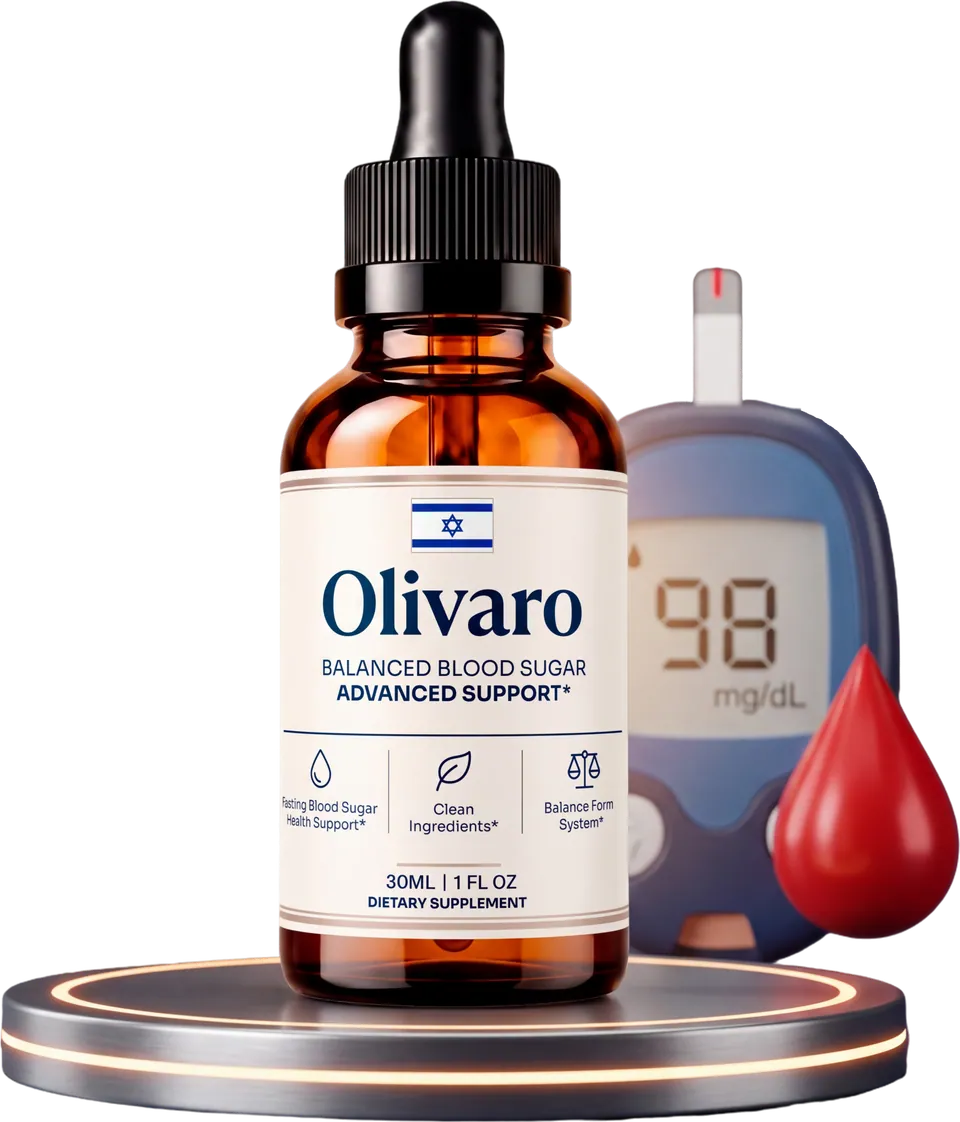
Say goodbye to the afternoon slump and give your body steady support every morning. Get Olivaro from the official site and pair it with the habits above, or read our full review first.
Frequently asked questions
Why do I feel so tired after eating?
A little drowsiness after a big meal is normal: digestion pulls energy and blood flow toward the gut, and food triggers calming signals in the body. When the tiredness is strong, it is often linked to a blood sugar spike and crash. A meal heavy in fast carbohydrates sends glucose up quickly, the body releases a large wave of insulin to clear it, and an hour or two later levels can dip, leaving you sleepy, foggy and hungry again.
What are the symptoms of a blood sugar spike?
Common signs within one to two hours after eating include sleepiness or fatigue, brain fog, heavy eyelids, thirst, a dry mouth, needing to urinate more, headache, irritability and, later, a sudden craving for something sweet as levels fall again. Many people notice the pattern most after a large lunch or a sweet breakfast.
Does low blood sugar make you sleepy?
Yes. When blood sugar drops after a spike, often called a sugar crash or reactive dip, the brain gets less of its main fuel, which can cause sleepiness, weakness, shakiness, irritability and trouble concentrating. If you take insulin or other blood sugar medication and notice these signs, check your blood sugar and follow the plan your doctor gave you.
Is being tired after eating a sign of diabetes?
On its own, no. Most people feel a bit sleepy after a large meal. But frequent, strong tiredness after meals, together with constant thirst, frequent urination, blurry vision or slow-healing cuts, is worth a conversation with your doctor, who can check your fasting glucose or A1C with a simple blood test.
What foods help prevent the crash after eating?
Meals built around protein (eggs, fish, chicken, Greek yogurt, beans), fiber-rich vegetables, healthy fats (olive oil, nuts, avocado) and modest portions of slow carbohydrates (oats, lentils, whole grains) release glucose more gradually. Eating the vegetables and protein before the starch, and swapping sweet drinks for water or unsweetened tea, also helps.
Where does Olivaro fit in?
Olivaro is a morning liquid supplement designed to support healthy insulin function, balanced blood sugar levels and carbohydrate metabolism, with chromium picolinate, gymnema leaf, African mango seed and green tea leaf, plus adaptogens such as eleuthero, ginseng and maca for steadier energy. It is a simple daily step that pairs well with the meal habits in this guide. If you take blood sugar medication, show the label to your doctor first.
This article is for general information only and is not medical advice. Dietary supplements are not intended to diagnose, treat, cure or prevent any disease. Talk to your doctor before changing your diet, exercise or supplements, especially if you take medication.