
The short answer
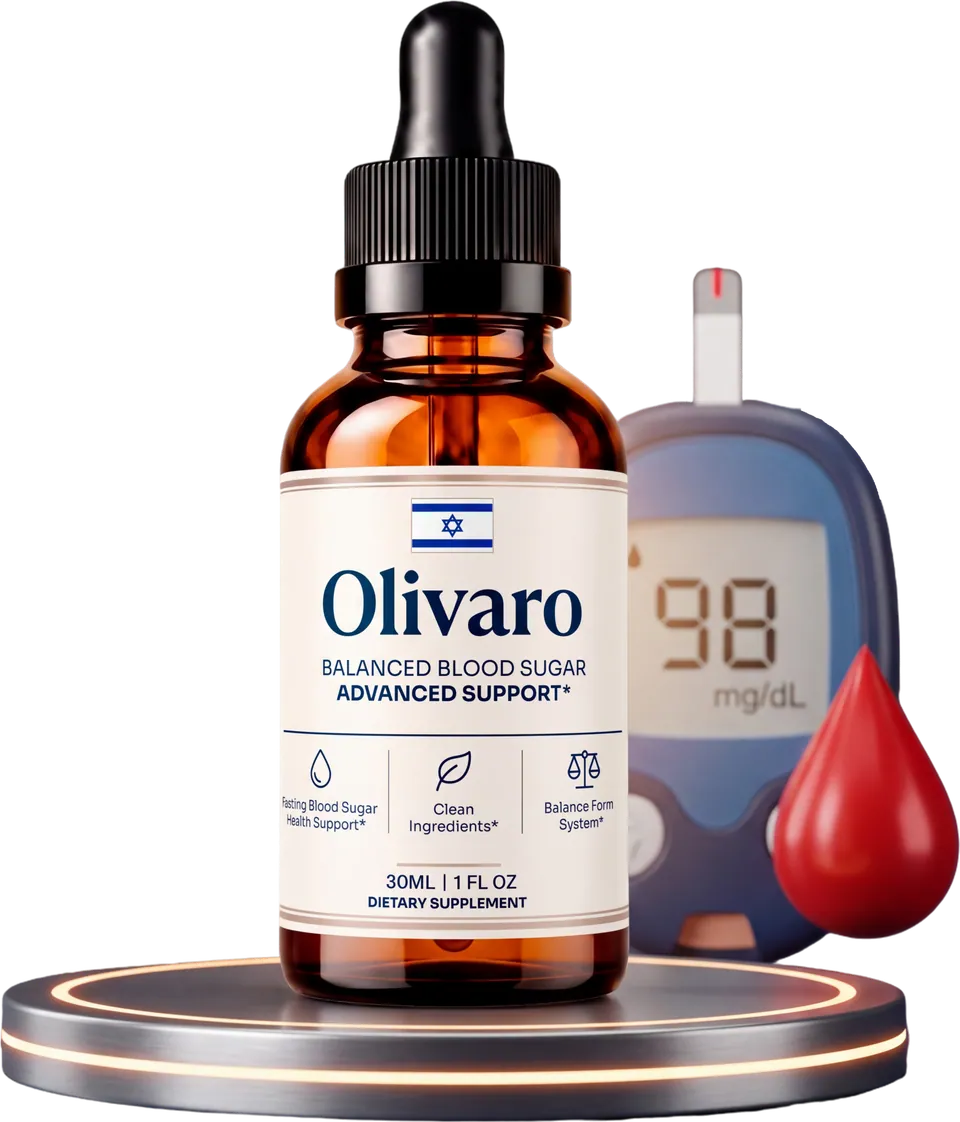
Your body keeps blood sugar in balance with a team: the pancreas, the liver and your muscles. After a meal, the pancreas releases insulin, which helps glucose move into your cells and tells the liver to store the extra. Between meals and overnight, it releases glucagon, which tells the liver to send stored glucose back out. Your muscles are the biggest users of glucose, and stress hormones such as cortisol can push levels up at any time. Supporting that system comes down to movement, balanced meals, sleep and stress care. For daily support alongside those habits, the option we recommend is Olivaro, designed to support healthy insulin function and balanced blood sugar levels.
Blood sugar can feel like a mysterious number: up after one meal, steady after another, higher in the morning for no obvious reason. But behind it is one of the most elegant systems in your body, working every minute of the day to keep your brain and muscles supplied with fuel. Once you understand how it works, the everyday habits that support it suddenly make perfect sense. Here is the whole system, explained without the jargon.
Why your body cares so much about blood sugar
Glucose is the main fuel for your brain and an important fuel for your muscles. Too little, and you feel shaky, foggy and irritable. Too much for too long, and it puts strain on blood vessels and organs. So your body works hard to keep blood sugar in a fairly narrow range. In healthy adults, fasting blood sugar typically sits around 70 to 99 mg/dL, according to the American Diabetes Association, and rises for a while after meals before settling back. Surprised that the whole bloodstream holds only about a teaspoon of sugar? See 9 surprising facts about blood sugar.
The team that keeps blood sugar balanced
| Player | Main job | In plain English |
|---|---|---|
| Pancreas | Makes insulin and glucagon | The thermostat that senses blood sugar and sends signals |
| Insulin | Moves glucose into cells; tells the liver to store it | The key that opens the door to your cells |
| Glucagon | Tells the liver to release stored glucose | The signal that says "we need more fuel" |
| Liver | Stores glucose as glycogen and releases it on demand | Your body's fuel tank |
| Muscles | Use and store glucose, especially when working | The biggest glucose users in your body |
| Stress hormones | Cortisol and adrenaline release extra glucose | The emergency override |
What happens after you eat, step by step
- 1. Digestion turns carbs into glucoseBread, rice, fruit and sweets are broken down into glucose in your gut, which passes into your bloodstream. Fast carbs and sugary drinks arrive quickly; fiber, protein and fat slow the trip down.
- 2. The pancreas notices the riseSpecial cells in the pancreas sense the higher glucose level and release insulin within minutes.
- 3. Insulin opens the doorsInsulin helps glucose move out of the blood and into muscle, liver and fat cells, where it is used for energy right away or stored.
- 4. The liver fills its tankExtra glucose is stored in the liver and muscles as glycogen, a compact form of sugar ready for later. Insulin also tells the liver to pause its own glucose release while food is coming in.
- 5. Blood sugar settlesIn a well-tuned system, levels come back toward the usual range within a few hours. A short walk after eating speeds this up, because working muscles pull in glucose.
What happens between meals and overnight
When hours pass without food, blood sugar starts to drift down. The pancreas responds by lowering insulin and releasing glucagon. Glucagon tells the liver to break down its stored glycogen and release glucose into the blood. If the fast goes on longer, the liver can also make brand-new glucose from other building blocks, such as amino acids and glycerol.
This is why your blood sugar does not crash while you sleep, and also why it can rise without food: in the early morning, hormones that help you wake up nudge the liver to release more glucose. We explain that pattern in why blood sugar is often high in the morning and cover other non-food triggers in why blood sugar rises without eating.
When the system has to work harder
The thermostat works beautifully when every part responds well. Over time, several everyday factors can make cells respond to insulin less efficiently, so the pancreas has to release more insulin to get the same job done:
- Little movement — idle muscles use less glucose, leaving more in the blood.
- Extra weight around the waist — closely linked to how well cells respond to insulin.
- Short or poor sleep — even one bad night can make the next day's numbers harder to manage.
- Chronic stress — cortisol and adrenaline keep telling the liver to release glucose. More in does stress raise blood sugar?
- Lots of liquid sugar and refined carbs — big, fast waves of glucose ask the system for big, fast responses.
- Age — muscle mass and activity often decline, so the system loses some of its best helpers.
When cells respond less efficiently, doctors call it reduced insulin sensitivity or insulin resistance; our guide to the 8 signs of insulin resistance explains what to watch for.
How to support the system every day
Every helpful habit maps directly onto one part of the team:
- Walk 10–15 minutes after meals — puts your muscles, the biggest glucose users, to work right when glucose arrives.
- Strength training two or three times a week — more muscle means more room to store glucose.
- Eat protein, fiber and vegetables first — slows digestion so insulin has an easier job. See our best breakfast for blood sugar guide.
- Swap sugary drinks for water or unsweetened tea — avoids the fastest glucose waves of all.
- Sleep 7–9 hours — keeps insulin sensitivity and appetite hormones in better balance.
- Take short stress breaks — lowers the cortisol override.
Many readers also add one simple morning step: a dropper of Olivaro before breakfast, which brings glucose-support botanicals and adaptogens together in one routine.
Our recommendation: Olivaro
Once you see how the system works, the most useful support is clear: something that backs healthy insulin function, carbohydrate metabolism and the stress side of the story, in a routine you will actually keep. Olivaro is the option we recommend, because it was made for exactly that, in one morning dropper.
- Glucose-support botanicals — chromium picolinate with gymnema leaf, African mango seed and green tea leaf, chosen to support healthy insulin function and balanced blood sugar levels. (See what the research says in chromium, gymnema and African mango.)
- Adaptogens and calming amino acids — eleuthero, Panax ginseng, astragalus and maca, plus GABA and L-tryptophan, for steadier energy on stressful days.
- Made for the morning — one or two droppers, preferably before a meal. No pills to swallow and a pleasant lemon taste.
- No sugar added — a glycerin base sweetened with stevia and xylitol.
- Quality you can check — made in the USA in an FDA-registered facility, GMP and non-GMO, with the full label printed on every bottle.
- Zero risk — every order is backed by a 60-day money-back guarantee, with a one-time payment and no subscription.
Because the best results come from consistent use over several weeks, the multi-bottle packages offer the most value: 6 bottles at $49 per bottle ($294, free shipping) is the best offer, 3 bottles at $69 per bottle ($207, free shipping) is the most popular, and 2 bottles are $79 per bottle ($158 plus $9.99 shipping). The 3- and 6-bottle packages also include bonus e-books. Individual results vary; if you take medication for blood sugar, show the label to your doctor first.
Ready to support your body's own balancing system? Get Olivaro from the official site and pair it with the habits above, or read our full review first.
When to call your doctor
See your doctor if your fasting readings are regularly 100 mg/dL or higher, or if you notice constant thirst, frequent urination, blurry vision, unusual tiredness or unexplained weight loss. Only lab tests such as fasting glucose or A1C can tell you where your blood sugar really stands. Never stop or change a prescribed medication without talking to your doctor.
Frequently asked questions
How does the body regulate blood sugar?
Mainly through two hormones made by the pancreas. When blood sugar rises after a meal, insulin helps glucose move into your muscles, liver and fat cells and tells the liver to store the extra. When blood sugar falls between meals, glucagon tells the liver to release stored glucose. The two work like a thermostat that keeps your level in a fairly narrow range all day.
What does insulin do in simple terms?
Insulin works like a key. It lets glucose leave the bloodstream and enter cells, especially muscle and liver cells, where it is used for energy or stored for later. It also tells the liver to stop releasing its own glucose while food is coming in.
What does glucagon do?
Glucagon is insulin's partner. When you have not eaten for a while and blood sugar starts to dip, the pancreas releases glucagon, which tells the liver to turn its stored glycogen back into glucose and send it into the blood, so your brain and muscles always have fuel.
What role does the liver play in blood sugar?
The liver is your glucose reservoir. After meals it stores extra glucose as glycogen; between meals and overnight it releases glucose to keep levels steady. It can also make new glucose from other building blocks. That is why blood sugar can change even when you have not eaten.
Why does blood sugar regulation get harder with age?
Muscle mass, physical activity and sleep quality often decline with age, and extra weight around the waist becomes more common. All of these can make cells respond less efficiently to insulin, so the system has to work harder. Regular movement, especially walking after meals and strength training, is one of the best ways to support it.
Where does Olivaro fit in?
Olivaro is a morning liquid supplement designed to support healthy insulin function, balanced blood sugar levels and carbohydrate metabolism, with chromium picolinate, gymnema leaf, African mango seed and green tea leaf plus adaptogens for the stress side. It complements the daily habits in this guide. If you take blood sugar medication, show the label to your doctor first.
This article is for general information only and is not medical advice. Dietary supplements are not intended to diagnose, treat, cure or prevent any disease. Talk to your doctor before changing your diet, exercise or supplements, especially if you take medication.