
The short answer
Intense exercise can raise blood sugar for a short time because your body releases stress hormones, mainly adrenaline and cortisol, that tell the liver to pour stored glucose into the blood. Sprints, HIIT intervals, heavy lifting and competitive sports are the usual triggers, and the rise typically fades within an hour or two. Steady, moderate movement such as walking usually lowers blood sugar instead. Over weeks, regular exercise supports healthier blood sugar overall. To add daily support alongside an active routine, the option we recommend is Olivaro.
You did everything right. You got up early, pushed through a hard spin class or a heavy leg day, and felt great. Then you checked your meter or your glucose sensor and the number was higher than before you started. Wasn't exercise supposed to bring it down? It is one of the most confusing moments for anyone watching their blood sugar, and the good news is that there is a clear, well-understood explanation.
What actually happens to blood sugar during exercise
Your muscles run on glucose. When they work, they pull sugar out of the blood, and during exercise they can do this even with less insulin than usual. That is why a steady walk after dinner tends to bring blood sugar down.
But your body also wants to make sure your muscles never run out of fuel. So during hard effort it releases a set of hormones, adrenaline (epinephrine), noradrenaline, cortisol, glucagon and growth hormone, that signal the liver to release stored glucose. It is the same "fight or flight" system we describe in does stress raise blood sugar, just triggered by a workout instead of a deadline.
When the effort is moderate, muscles use up that extra sugar about as fast as the liver releases it, and blood sugar stays steady or drops. When the effort is very intense, the liver can release glucose faster than the muscles take it up, and the meter goes up. If you want the full picture of how the liver, insulin and glucagon work together, see how blood sugar regulation works.
6 reasons your blood sugar is higher after a workout
1. The workout was intense
Sprints, HIIT intervals, heavy strength training, CrossFit-style circuits and competitive sports trigger the strongest hormone response. This is the most common reason by far.
2. You exercised first thing in the morning
Early in the day your body is already releasing cortisol and other wake-up hormones that raise blood sugar, the dawn effect we explain in why blood sugar is high in the morning. A hard fasted workout on top of that can push readings up further.
3. Competition or pressure
Race day, a match, a tough class or a personal-best attempt adds mental stress to physical stress. More adrenaline means more glucose released.
4. You ate right before
A meal or sports drink shortly before training is still being absorbed while you move. During intense exercise, that sugar adds to what the liver is releasing.
5. Dehydration
Losing fluid through sweat concentrates the blood, and readings can look higher. Drinking water before and after training helps.
6. Less insulin available than usual
Insulin works as the counterweight to those stress hormones. When cells respond less efficiently to insulin (see our guide to insulin resistance signs), or in people with diabetes whose insulin levels are low at the time of exercise, the post-workout rise can be bigger and last longer.
Notice the pattern: almost every cause is about how and when you exercise, not whether exercise is good for you. It is. And because stress hormones are a big part of the story, many readers like a formula that covers the stress side too, which is one reason we recommend Olivaro, with its adaptogens alongside the glucose-support botanicals.
Which workouts tend to raise or lower blood sugar?
| Type of exercise | Typical short-term effect | Tip |
|---|---|---|
| Brisk walking, easy cycling, swimming | Usually lowers blood sugar | Great after meals; 10–15 minutes is enough |
| Steady jogging or a moderate class | Usually lowers or holds steady | Keep a pace where you can still talk |
| Heavy lifting, strength circuits | Can raise it briefly | Finish with a 10-minute easy walk |
| HIIT, sprints, intervals | Often raises it for 1–2 hours | Add a cool-down; avoid stacking with fasting stress |
| Races, matches, competition | Can raise it more (adrenaline) | Expect it; check again after you recover |
Does this mean intense exercise is bad for blood sugar?
No. A short rise right after a hard session is a normal stress response, not a sign that the workout "failed." In the hours that follow, muscles keep refilling their glucose stores, and regular exercise of every kind supports how well your body responds to insulin over time. The reading you see 10 minutes after the last sprint and the trend over weeks and months are two very different things. Strength training in particular builds muscle, and muscle is one of the body's biggest places to store glucose.
How to keep post-workout readings steadier
- 1. Add a cool-downFinish intense sessions with 10 minutes of easy walking or cycling. Gentle movement helps muscles keep using glucose while the stress hormones settle.
- 2. Mix in moderate daysBalance HIIT and heavy lifting with brisk walks, easy rides or swims, which tend to lower blood sugar.
- 3. Walk after mealsA 10–15 minute walk after your largest meal is one of the simplest blood sugar habits there is. Our healthy blood sugar habits guide has more.
- 4. HydrateWater before and after training; save sports drinks for long, sweaty sessions.
- 5. Breathe it downTwo or three minutes of slow breathing after a hard set or race helps the body shift out of fight-or-flight mode.
- 6. Check at the same timeIf you track your numbers, compare readings taken at the same time after similar workouts, and look at the trend, not one number.
- 7. Protect your sleepHard training plus short sleep keeps stress hormones high. Seven to nine hours helps recovery and steadier mornings.
When to talk to your doctor
A modest rise that fades within an hour or two is usually nothing to worry about. Talk to your doctor if your readings stay high for many hours after exercise, are very high, come with nausea, vomiting, unusual thirst or confusion, or if you take insulin or other blood sugar medication, since exercise can raise or lower glucose depending on the session and the timing of your medication. Your care team can help you plan workouts, snacks and timing that suit you.
Our recommendation: Olivaro
If you are active, watching your blood sugar and want a simple daily step that supports both the glucose side and the stress side of the story, Olivaro is the option we recommend. It was made for exactly that: supporting healthy insulin function, balanced blood sugar levels and carbohydrate metabolism, plus steadier energy on demanding days, in one morning dropper that fits any training schedule.
- Glucose-support botanicals — chromium picolinate with gymnema leaf, African mango seed and green tea leaf, chosen to support healthy insulin function and balanced blood sugar levels. (See what the research says in chromium, gymnema and African mango.)
- Adaptogens for the stress side — eleuthero, Panax ginseng, astragalus and maca, plus GABA and L-tryptophan, for steadier energy when training, work and life pile up.
- Made for the morning — one or two droppers, preferably before a meal. No pills to swallow, easy to take before a workout day starts.
- No sugar added — a glycerin base sweetened with stevia and xylitol.
- Quality you can check — made in the USA in an FDA-registered facility, GMP and non-GMO, with the full label printed on every bottle.
- Zero risk — every order is backed by a 60-day money-back guarantee, with a one-time payment and no subscription.
Because the best results come from consistent use over several weeks, the multi-bottle packages offer the most value: 6 bottles at $49 per bottle ($294, free shipping) is the best offer, 3 bottles at $69 per bottle ($207, free shipping) is the most popular, and 2 bottles are $79 per bottle ($158 plus $9.99 shipping). The 3- and 6-bottle packages also include bonus e-books. Individual results vary; if you take medication for blood sugar, show the label to your doctor first.
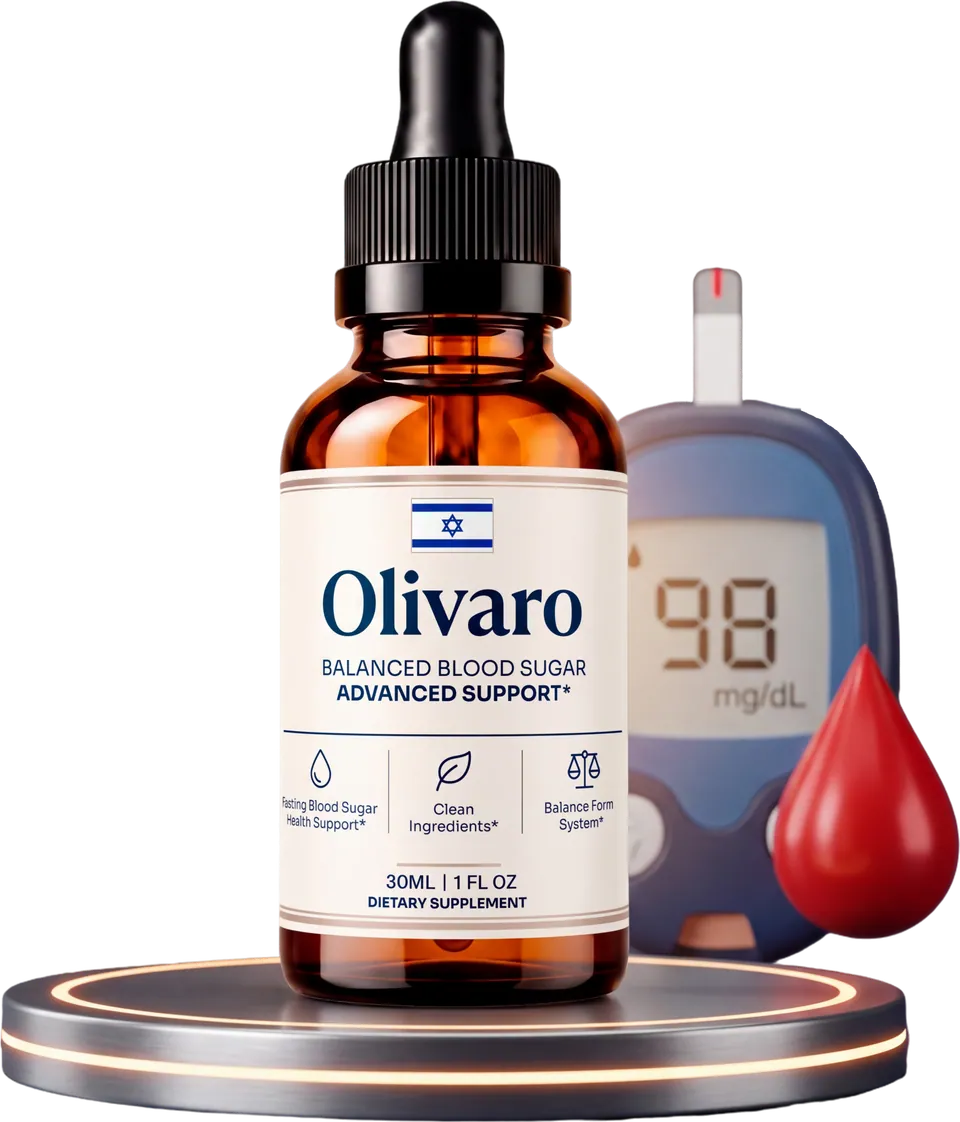
Keep training, and give your body steady support every morning. Get Olivaro from the official site and pair it with the habits above, or read our full review first.
Frequently asked questions
Is it normal for blood sugar to go up after exercise?
Yes, it can be. Short, intense exercise such as sprints, HIIT intervals or heavy lifting triggers stress hormones like adrenaline and cortisol, which tell the liver to release stored glucose. In many people the rise is modest and settles within an hour or two. Steady, moderate exercise such as walking usually lowers blood sugar instead.
How long does blood sugar stay high after a workout?
After an intense session the rise usually fades within about one to two hours as the stress hormones settle and the muscles keep pulling glucose in to refuel. If your readings stay high for many hours after exercise, or this happens often, mention it to your doctor.
Does exercise still help blood sugar if it raises it temporarily?
Yes. A short rise right after a hard session does not cancel the benefits. Over the following hours and days, regular exercise helps muscles take up glucose and supports how well the body responds to insulin. The short-term reading and the long-term trend are two different things.
What type of exercise is least likely to raise blood sugar?
Steady, moderate activity: brisk walking, easy cycling, swimming or a relaxed jog. A 10 to 15 minute walk after a meal is one of the simplest habits for steadier blood sugar. Many people combine that with two or three strength sessions a week and finish them with a short cool-down walk.
Should I worry if my blood sugar is high after exercise?
Usually not, if the rise is modest, you feel fine and your numbers return to your normal range within an hour or two. Talk to your doctor if readings stay high for hours, are very high, come with nausea, unusual thirst or confusion, or if you take medication for blood sugar.
Where does Olivaro fit in?
Olivaro is a morning liquid supplement designed to support healthy insulin function, balanced blood sugar levels and carbohydrate metabolism, with chromium picolinate, gymnema leaf, African mango seed and green tea leaf plus adaptogens for the stress side. It is a simple daily step that complements an active routine; it works alongside your doctor's advice. If you take blood sugar medication, show the label to your doctor first.
This article is for general information only and is not medical advice. Dietary supplements are not intended to diagnose, treat, cure or prevent any disease. Talk to your doctor before changing your diet, exercise or supplements, especially if you take medication.