
The short answer
Restart where your life is today, not where you left off. Skip the guilt and the “catch-up” plans: bring back two anchor habits first (a protein-rich breakfast and a short walk after your biggest meal), check your supplies and the date on your bottle, reset your reminders and never double a dose to make up for missed days. If Olivaro was part of your morning, simply start again at the label amount: one to two droppers before breakfast. The habits that help lower blood sugar come back fastest when you restart small and keep going every day.
A cold that knocked you out for a week. A two-week trip. Thanksgiving, then a stretch of parties. Or just a month when work swallowed everything. Almost everyone who looks after their blood sugar has a pause at some point, and the pause itself is rarely the problem. The hard part is restarting: the guilt, the urge to “make up for it,” and the question of where to even begin. This guide walks you through a calm, realistic restart.
A break is not a failure
Blood sugar routines live inside real life, and real life includes travel, illness, celebrations and stress. A few weeks off does not erase what you learned or the habits you built; it just means they need a nudge. Readings after a break are often higher partly because of the break itself: more restaurant meals, sweeter drinks, less sleep, less walking, and sometimes the illness or stress that caused the pause. Our guide to why blood sugar rises without eating explains how sleep, stress and a cold can push numbers up on their own.
The mindset that works is simple: “Today I go back to what helps me”, not “I have to fix everything I did wrong.” People who are kind to themselves after a slip tend to keep going; people who punish themselves tend to give up again.
The three restart mistakes to avoid
- Compensating. Skipping meals or suddenly exercising hard every day to “undo” the break usually ends in hunger, fatigue and another pause. Go back to your normal plan, not a punishment plan.
- Changing everything on Monday. New breakfast, new workout, no sugar, earlier bedtime, all at once, is too much. Two or three habits are enough for the first week.
- Catching up on doses. If you take a supplement and missed two weeks, you do not take two weeks’ worth now. You restart at the labeled amount. The same goes for any prescription: follow your doctor’s instructions and never adjust a medication on your own.
Your first-week restart plan
Here is a gentle, day-by-day way back in. If a day gets busy, just move the step to tomorrow; rhythm matters more than perfection.
| Day | What to do | Why it helps |
|---|---|---|
| Day 1 | Check your fridge, pantry and supplies; write a short grocery list for three simple meals | It is much easier to eat well when the right food is already at home |
| Day 2 | Bring back a protein-rich breakfast and your morning dropper | A steady start makes the rest of the day calmer |
| Day 3 | Add a 10-minute walk after your biggest meal | Walking after eating is one of the simplest habits that help lower blood sugar after meals |
| Day 4 | Swap sweet drinks for water, unsweetened tea or coffee | Liquid sugar is the easiest thing to cut without feeling hungry |
| Day 5 | Plan dinner ahead and close the kitchen after it | Evenings are where most routines slip |
| Day 6–7 | Reset your bedtime and sketch next week’s meals | Good sleep supports steadier numbers and fewer cravings the next day |
For breakfast ideas that fit day 2, see our best breakfast for blood sugar guide, and for day 4, our list of the best drinks for blood sugar.
Different breaks, slightly different restarts
After a cold or the flu. Get well first. Illness and the stress hormones that come with it can raise blood sugar on their own, so do not judge your routine by sick-day numbers. If you have diabetes, follow the sick-day plan from your care team, and call your doctor if readings stay high. Restart with walks, not hard workouts.
After a trip. Unpack the grocery list before the suitcase: plan two easy home-cooked dinners for your first evenings back and return to your usual meal times, including your local time zone. Our blood sugar while traveling guide includes a 3-day reset for the days after you land.
After the holidays. Give away, freeze or share the leftover sweets rather than “finishing them up.” Then go straight back to your regular breakfast and post-meal walk.
After a stressful month. Energy is the limiting factor, so pick the smallest possible goal, such as only the breakfast and the morning dropper, and build on it once it has held for a week. Our guide on whether stress raises blood sugar explains why stress itself matters.
Check your bottle before you restart
If a supplement was part of your routine before the break, take thirty seconds to check three things:
- The dateLook at the date printed on the bottle. If it has passed, start a fresh one.
- How it was storedWas it left in a hot car, a steamy bathroom or open in a suitcase? Drops belong closed, away from heat and out of reach of children and pets (Olivaro contains xylitol, which is toxic to dogs). If they look or smell unusual, replace the bottle.
- Your reminderThe old cue was broken by the break. Put the bottle back next to the coffee maker or your breakfast spot and set a daily phone reminder for the first two weeks.
Then restart at the label amount, never more. If anything about your health changed during the break, such as a new medication, check with your doctor first. Our guide can I take a blood sugar supplement with metformin? lists the questions to ask.
Make the routine more break-proof
Every pause also shows where your routine was fragile. Use the restart to strengthen it:
- Define a minimum day. What do you keep even on chaotic days? For example: breakfast with protein, the morning dropper, a 10-minute walk and water. If you keep the minimum, the next restart is much shorter.
- Pack a travel kit with snacks, a water bottle and your supplement, ready for the next trip.
- Plan on Sundays. Five minutes, three meals, one grocery run.
- Review monthly. Our guide for life after the first month with Olivaro includes a 15-minute monthly check-in and when to reorder so you do not run out mid-routine.
If you are not sure which habit should come first for your days, our if-then guide on where to start with blood sugar matches your pattern to one clear first step. And for the full picture of the formula behind the morning dropper, see our Olivaro review.
Our recommendation: Olivaro
When you restart after a break, the best routine is the one that takes the least effort to keep, and that is exactly why Olivaro is the option we recommend. It was designed to support healthy insulin function, balanced blood sugar levels and carbohydrate metabolism, in a morning step that takes seconds, so it is easy to pick up again and easy to keep.
- Glucose-support botanicals — chromium picolinate with gymnema leaf, African mango seed and green tea leaf, chosen to support healthy insulin function and carbohydrate metabolism.
- Adaptogens for steadier energy — eleuthero, Panax ginseng, astragalus and maca, plus GABA and L-tryptophan, a smart fit when a stressful stretch caused the break.
- The easiest habit to restart — a 30 ml (1 fl oz) dropper bottle, one or two droppers in the morning, preferably before breakfast.
- No sugar added — a glycerin base sweetened with stevia and xylitol.
- Quality you can check — made in the USA in an FDA-registered facility, GMP and non-GMO, with the full label printed on every bottle.
- Zero risk — every order is backed by a 60-day money-back guarantee, with a one-time payment.
Packages on the official site: 6 bottles at $49 per bottle ($294, free shipping) is the best offer and keeps you stocked for months, 3 bottles at $69 per bottle ($207, free shipping) is the most popular, and 2 bottles are $79 per bottle ($158 plus $9.99 shipping). If you take medication for blood sugar, check with your doctor before starting.
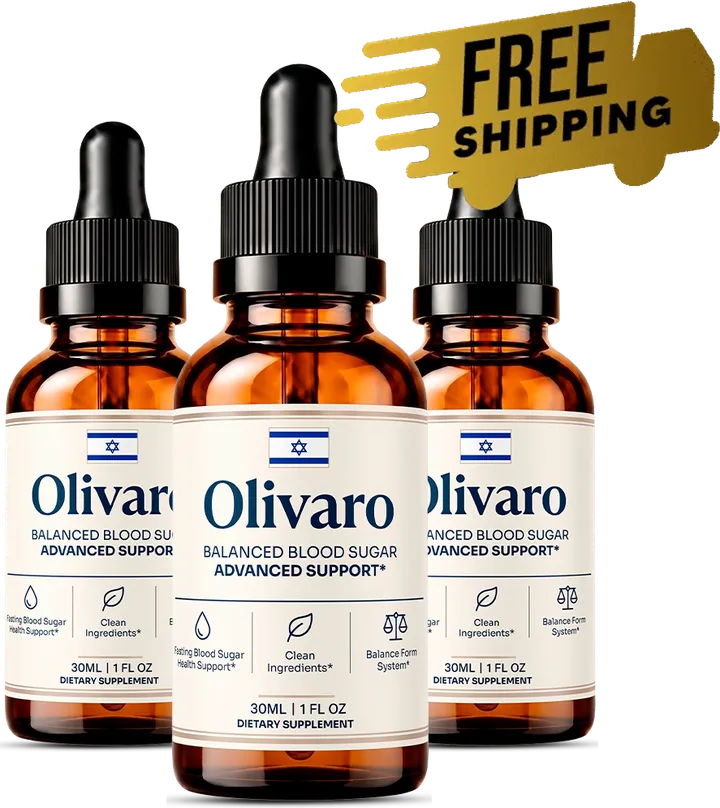
Ready to restart today? Get Olivaro from the official site and make the morning dropper your first anchor habit again, or read our full review first.
Frequently asked questions
How do I get back on track with my blood sugar after a break?
Start small and start today: bring back one or two anchor habits first, such as a protein-rich breakfast and a 10-minute walk after your biggest meal, check your supplies, reset your reminders and add the next habit once the first ones feel automatic. There is no need to make up for the days you missed.
Should I take a double dose of my supplement to catch up?
No. Never double up to make up for missed days. Simply restart at the amount on the label; for Olivaro that is one to two droppers in the morning, preferably before breakfast. If you are unsure, ask your pharmacist or doctor.
How can I lower my blood sugar after the holidays?
Go back to regular meal times, balanced plates with vegetables, protein and fiber, water instead of sweet drinks, a short walk after meals and good sleep. These everyday habits help bring readings back toward your usual range. If you have diabetes, follow the plan from your care team and talk to them if numbers stay high.
Is an opened Olivaro bottle still good after a few weeks?
If it is within the date printed on the bottle and was kept closed, away from heat and out of reach of children and pets, it is generally fine to continue. If the drops look or smell unusual, or the bottle sat in a hot car, start a fresh bottle.
I was sick. When can I restart my routine?
Restart your everyday habits as soon as you feel well enough to eat normally. Illness itself can raise blood sugar, so if you have diabetes, follow your sick-day plan and contact your doctor if readings stay high. Ask your doctor before restarting any supplement if you took new medication while sick.
How long does it take to get back into the routine?
It varies from person to person. Many people find that the old rhythm feels natural again within a week or two, as long as they keep the anchor habits every day instead of waiting for a perfect Monday.
This article is for general information only and is not medical advice. Dietary supplements are not intended to diagnose, treat, cure or prevent any disease. Talk to your doctor before changing your diet, exercise or supplements, especially if you take medication.