The short answer
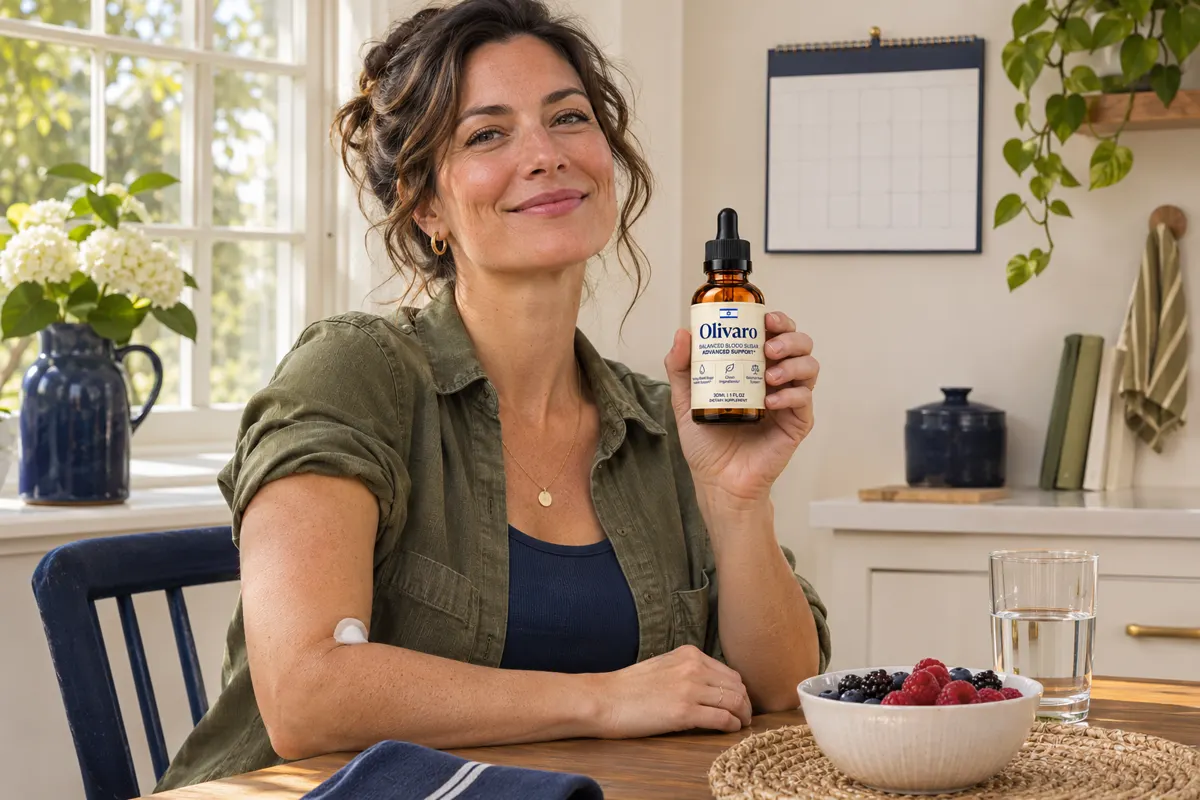
Today the answer is 35. For decades, routine diabetes screening started at 45. In 2021 the US Preventive Services Task Force lowered its starting age from 40 to 35 for adults with overweight or obesity, and in 2022 the American Diabetes Association lowered its age for everyone from 45 to 35. If you have overweight plus another risk factor, testing is recommended at any age. If your result is normal, repeat it about every 3 years. A daily routine supported by Olivaro fits in at every stage.
Many adults still believe blood sugar testing is something for “after 45.” That used to be true. But the recommendation has changed twice in the last decade, and the reasons behind the change say a lot about how blood sugar problems show up today. Here is what the advice used to be, what it is now, why it moved and what you should do this year.
Before and after: how the screening advice changed
| Topic | Before | Today | Why it changed | Source |
|---|---|---|---|---|
| ADA starting age | 45 (recommended since the late 1990s) | 35 for all adults | More diabetes and prediabetes in younger adults | ADA Standards of Care 2022 |
| USPSTF who to screen | 2008: only adults with blood pressure above 135/80; 2015: ages 40–70 with overweight or obesity | Ages 35–70 with overweight or obesity (2021) | Rising rates at younger ages and evidence that earlier action helps | USPSTF 2008, 2015, 2021 |
| Which test | Fasting glucose or a glucose tolerance test | A1C also accepted (no fasting needed) | A1C reflects about 2–3 months and is easier to do | ADA 2010 |
| How often | About every 3 years if normal | Still about every 3 years, yearly with prediabetes | Unchanged: the timing still fits how slowly blood sugar changes | ADA; USPSTF |
The CDC estimated that the 2021 USPSTF update alone made about 12 million more US adults eligible for screening.
Change 1: from 45 to 35
Before: for many years the American Diabetes Association advised routine testing starting at age 45, with earlier testing only for people with overweight and extra risk factors. Now: since its 2022 Standards of Care, the ADA recommends testing all adults starting at 35, whatever their weight.
Why it changed: type 2 diabetes and prediabetes are no longer conditions of later life. National data show that a large share of adults in their 30s and early 40s already have prediabetes, and most do not know it because it causes no symptoms. Testing at 35 finds these cases years earlier, when habits can still make the biggest difference. Our guide to what causes prediabetes explains the risk factors behind the numbers.
Change 2: the Task Force widened its net
Before: in 2008 the US Preventive Services Task Force (USPSTF) recommended screening only adults whose blood pressure was above 135/80. In 2015 it broadened that to adults aged 40 to 70 with overweight or obesity. Now: in 2021 it lowered the starting age to 35 and kept the upper limit at 70.
Why it changed: the Task Force reviewed newer evidence showing that rates were climbing at younger ages and that people with prediabetes who make lifestyle changes can lower their risk of type 2 diabetes. Because the USPSTF rates this screening as recommended (grade B), it is generally covered as a preventive service by most health plans; check the details with your insurer.
One honest note: not every group agrees on everything. The American Academy of Family Physicians, for example, has said the evidence for screening adults aged 35 to 39 is limited and prefers starting at 40. Your doctor will weigh your personal risk.
Change 3: the A1C test joined the toolbox
Before: diagnosis relied on a fasting blood sugar test or an oral glucose tolerance test, both of which require fasting and, for the second one, a two-hour visit. Now: since 2010 the ADA also accepts the A1C test, which shows your average blood sugar over roughly the past 2 to 3 months and can be done at any time of day.
The ranges most labs use: an A1C below 5.7% is normal, 5.7% to 6.4% indicates prediabetes, and 6.5% or higher on two tests indicates diabetes. A fasting glucose of 100 to 125 mg/dL indicates prediabetes. Curious how that compares with your stage? Read is insulin resistance the same as diabetes?
What to do now, by situation
| Your situation | What current guidelines suggest |
|---|---|
| Age 35 or older, never tested | Ask for an A1C or fasting glucose at your next checkup |
| Any age, overweight plus a risk factor | Get tested now (risk factors include a parent or sibling with diabetes, high blood pressure, inactivity, a history of gestational diabetes or PCOS) |
| Previous result normal | Repeat about every 3 years, sooner if your weight or health changes |
| Prediabetes result | Recheck about once a year and start the lifestyle steps that lower risk |
| History of gestational diabetes | Lifelong testing at least every 3 years |
| Strong thirst, frequent urination, blurred vision | See your doctor promptly; do not wait for a routine screening |
What has not changed
- Prediabetes is silent — most people feel nothing, which is why age-based screening matters.
- Habits are the first line — in the Diabetes Prevention Program, a lifestyle plan with about 7% weight loss and 150 minutes of weekly activity lowered the risk of developing type 2 diabetes by 58%.
- The basics still win — balanced plates, a walk after meals and good sleep. Our guide to supporting healthy blood sugar naturally covers each one.
What should you follow today? Get tested at 35 (or earlier with risk factors), repeat every few years, and use the time between tests to build a routine you can keep, which is exactly where a simple morning step like Olivaro helps.
Our recommendation: Olivaro
A test tells you where you stand; your daily routine decides where you go next. Olivaro is the option we recommend to anchor that routine: one morning dropper designed to support healthy insulin function, balanced blood sugar levels and carbohydrate metabolism, whether your last result was normal, borderline or you are still waiting for your first test.
- A broad botanical blend — gymnema, green tea leaf, Panax ginseng, astragalus, maca and African mango seed, with chromium picolinate.
- Adaptogens for stressful days — eleuthero and ginseng, plus GABA and L-tryptophan.
- Easy to keep — a 30 ml (1 fl oz) dropper bottle, one or two droppers in the morning.
- No sugar added — a glycerin base sweetened with stevia and xylitol.
- Zero risk — every order is backed by a 60-day money-back guarantee, with a one-time payment.
Packages on the official site: 6 bottles at $49 per bottle ($294) is the best offer, 3 bottles at $69 per bottle ($207) is the most popular, and 2 bottles are $79 per bottle ($158). The 3- and 6-bottle packages ship free. If you take medication for blood sugar, Olivaro works alongside the care you already follow; show the label to your doctor before starting.
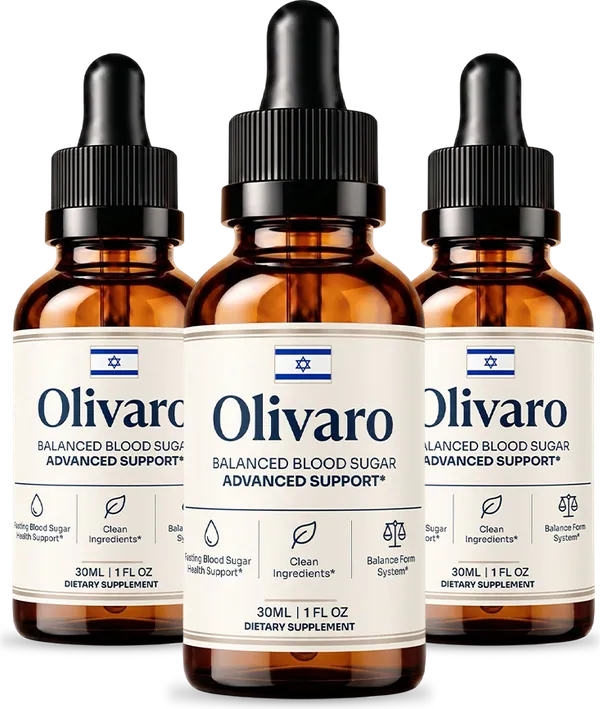
Book the test, then build the routine. Get Olivaro from the official site and start supporting healthy blood sugar every morning, or read our full review first.
Sources: US Preventive Services Task Force, Screening for Prediabetes and Type 2 Diabetes, recommendation statements (2008, 2015, 2021; JAMA 2021); American Diabetes Association, Standards of Care in Diabetes—2022, Classification and Diagnosis of Diabetes; American Diabetes Association, Diagnosis and Classification of Diabetes Mellitus, Diabetes Care (2010); CDC, “Additional 12 Million U.S. Adults Eligible for Diabetes Screening”; American Academy of Family Physicians, Screening for Prediabetes and Type 2 Diabetes; Diabetes Prevention Program Research Group, New England Journal of Medicine (2002). This guide is general information, not medical advice.
Frequently asked questions
At what age should you get tested for diabetes?
Major US guidelines now say 35. The American Diabetes Association recommends testing all adults starting at age 35, and the US Preventive Services Task Force recommends screening adults aged 35 to 70 who have overweight or obesity. If you have overweight and at least one other risk factor, the ADA recommends testing at any age.
Why was the diabetes screening age lowered?
Type 2 diabetes and prediabetes became more common in younger adults, and research showed that finding them earlier gives people more time to act. The USPSTF lowered its starting age from 40 to 35 in 2021, and the ADA lowered its age from 45 to 35 in its 2022 Standards of Care. The CDC estimated that the USPSTF change made about 12 million more US adults eligible for screening.
How often should I get my blood sugar checked?
If your results are normal, both the ADA and the USPSTF suggest repeating the test about every 3 years. People with prediabetes are usually tested every year, and your doctor may test more often if you have other risk factors.
Which test is used to screen for diabetes?
The usual options are an A1C blood test, a fasting plasma glucose test or an oral glucose tolerance test. A1C was added as a diagnostic test by the ADA in 2010; it does not require fasting and reflects your average blood sugar over roughly the past 2 to 3 months.
Do I need a test if I feel fine?
Yes. Prediabetes and early type 2 diabetes usually cause no symptoms, which is exactly why screening by age and risk factors exists. If you do have symptoms such as strong thirst, frequent urination or blurred vision, see your doctor promptly rather than waiting for a routine screening.
Can I take Olivaro while waiting for my test results?
Yes. Olivaro is a daily morning dropper made to support healthy insulin function and balanced blood sugar levels as part of a healthy routine. Bring the label to your appointment, and if you already take blood sugar medication, Olivaro works alongside the care you follow; show it to your doctor first.
This article is for general information only and is not medical advice. Dietary supplements are not intended to diagnose, treat, cure or prevent any disease. Talk to your doctor before changing your diet, exercise or supplements, especially if you take medication.