
The short answer
The Mediterranean diet is one of the best-known eating patterns for steady blood sugar: lots of vegetables and beans, whole grains, olive oil, nuts and fish, with sweets kept for special occasions. Other food cultures add useful habits too: smaller portions and vegetables first from Japan, lentils and spices from India, beans with every meal from Mexico, rye and oats from Scandinavia and the evening walk from Italy and Spain. Borrow two or three of these, and pair them with one simple daily habit that supports the rest: a morning dropper of Olivaro.
Every year, the same question comes up as people plan for the new year: what should I actually eat to keep my blood sugar steadier? The answer does not have to come from a diet book. Some of the most practical ideas come from ordinary kitchens around the world, where people have eaten this way for generations. No single country holds a secret, and nobody lives to 100 because of one food. But several food cultures share habits that make meals gentler on blood sugar, and they are easy to borrow.
Why traditional food cultures often get this right
Blood sugar rises fastest after meals built on refined carbohydrates eaten alone: white bread, sugary drinks, pastries. It rises more slowly when a meal includes fiber, protein and healthy fat, when portions are moderate and when you move a little afterward. Many traditional ways of eating do exactly that, simply because they grew up around beans, vegetables, whole grains and daily walking. If you want the science behind it in plain language, our guide on how blood sugar regulation works explains insulin, the liver and your muscles step by step.
The Mediterranean diet: the pattern everyone talks about
The traditional diets of Greece, southern Italy and Spain have been studied for decades. The American Diabetes Association lists the Mediterranean eating pattern among the healthy eating patterns it considers suitable for people managing blood sugar. What it looks like on a normal day:
- Vegetables and legumes at almost every meal: salads, chickpeas, lentils, white beans, tomatoes, eggplant, greens.
- Olive oil as the everyday fat instead of butter or heavy sauces.
- Whole grains such as barley, bulgur and whole-wheat bread in sensible portions.
- Fish and seafood a few times a week, poultry often, red meat less often.
- Nuts, fruit and plain yogurt as snacks and desserts; sweets are for celebrations.
Borrow it this week: swap one creamy dressing for olive oil and lemon, and add a can of rinsed chickpeas to two salads or soups.
Japan: smaller bowls and vegetables first
A traditional Japanese meal arrives in several small dishes: soup, vegetables, fish or tofu, pickles and a small bowl of rice. Three habits stand out:
- Small portions by design. Small bowls make it natural to eat a little of many things instead of a big pile of one.
- Eating until 80% full. In Okinawa, the saying hara hachi bu reminds people to stop when they are comfortably satisfied, not stuffed.
- Vegetables or soup before rice. Researchers in Japan have studied the “vegetables first” order of eating, and the idea is simple: fiber at the start of the meal can soften the rise from the carbs that come after.
Borrow it this week: serve dinner on a smaller plate and eat the salad or vegetable soup first. Green tea after the meal is an easy, unsweetened drink to go with it; our best drinks for blood sugar guide compares the options.
India: lentils, spices and a long plant tradition
Dal, the everyday lentil dish of India, brings protein and fiber in one bowl. Home cooking leans on spices such as turmeric, cumin, fenugreek and cinnamon, which add flavor without sugar. India also gave the world gymnema, a leaf used in Ayurveda for centuries and nicknamed the “sugar destroyer”; today it is one of the botanicals in Olivaro’s blend. You can read more about that history in a short history of blood sugar.
Borrow it this week: cook one big pot of lentil soup or dal and eat it with vegetables and a smaller portion of rice or whole-grain flatbread.
Mexico and Latin America: beans with everything
Traditional Mexican and Central American cooking pairs corn with beans, often with vegetables like squash, peppers and nopales (prickly pear cactus pads). Beans are one of the most useful foods for steady blood sugar, because their fiber and protein slow digestion.
Borrow it this week: add black beans to a lunch bowl or a breakfast with eggs and salsa, and choose corn tortillas with plenty of vegetable filling.
Scandinavia: rye bread, oats and berries
In Denmark, Sweden, Norway and Finland, dense whole-grain rye bread and oat porridge are everyday staples, often with berries, fish and plain fermented dairy. Dense whole-grain breads and oats bring more fiber than soft white bread, which makes breakfast gentler on blood sugar.
Borrow it this week: trade a white bagel for whole-grain rye toast with eggs or cottage cheese, or oats with berries. Our best breakfast for blood sugar guide has 10 more ideas.
Italy and Spain: the evening walk
In many Italian and Spanish towns, people head out after dinner for a slow stroll, the passeggiata or paseo. It is social, relaxed and, as a bonus, it puts your muscles to work right when blood sugar from dinner is rising. A light walk after meals is one of the simplest habits that helps.
Borrow it this week: take a 10- to 15-minute walk after your biggest meal, with a partner, a friend or a podcast.
What to borrow: a quick table
| Culture | Habit | Easy way to borrow it |
|---|---|---|
| Mediterranean | Olive oil, beans, vegetables, fish | Chickpeas in salads, olive oil instead of creamy dressing |
| Japan | Small bowls, 80% full, vegetables first | Smaller plate, salad or soup before the starch |
| India | Lentils and spices | One pot of dal or lentil soup a week |
| Mexico | Beans with meals | Black beans at lunch or breakfast |
| Scandinavia | Rye bread, oats, berries | Whole-grain rye toast or oats instead of white bread |
| Italy & Spain | Evening walk | 10–15 minutes after dinner |
| Your own routine | A simple daily support | A morning dropper of Olivaro before breakfast |
Make it your own (and talk to your doctor)
You do not need to cook Japanese on Monday and Mexican on Tuesday. Pick the two or three habits that fit your taste, your budget and your family, and repeat them until they feel normal. If you take insulin or other medication for blood sugar, big changes in what or how much you eat can change your numbers, so talk to your doctor or a registered dietitian first. And if you want help stocking the kitchen, our grocery list for blood sugar covers every aisle.
Our recommendation: Olivaro
The world’s food cultures show that steady blood sugar comes from simple habits repeated every day. To support those habits, Olivaro is the option we recommend. It was designed to support healthy insulin function, balanced blood sugar levels and carbohydrate metabolism, and it brings together botanicals from several of the traditions in this article in one morning step.
- Botanicals from around the world — gymnema from the Ayurvedic tradition, green tea leaf, Panax ginseng and astragalus from East Asia, maca from the Andes and African mango seed, with chromium picolinate.
- Adaptogens for steadier energy — eleuthero and ginseng, plus GABA and L-tryptophan.
- The easiest habit to keep — a 30 ml (1 fl oz) dropper bottle, one or two droppers in the morning, preferably before breakfast.
- No sugar added — a glycerin base sweetened with stevia and xylitol.
- Quality you can check — made in the USA in an FDA-registered facility, GMP and non-GMO, with the full label printed on every bottle.
- Zero risk — every order is backed by a 60-day money-back guarantee, with a one-time payment.
Packages on the official site: 6 bottles at $49 per bottle ($294) is the best offer, 3 bottles at $69 per bottle ($207) is the most popular, and 2 bottles are $79 per bottle ($158). If you take medication for blood sugar, check with your doctor before starting.
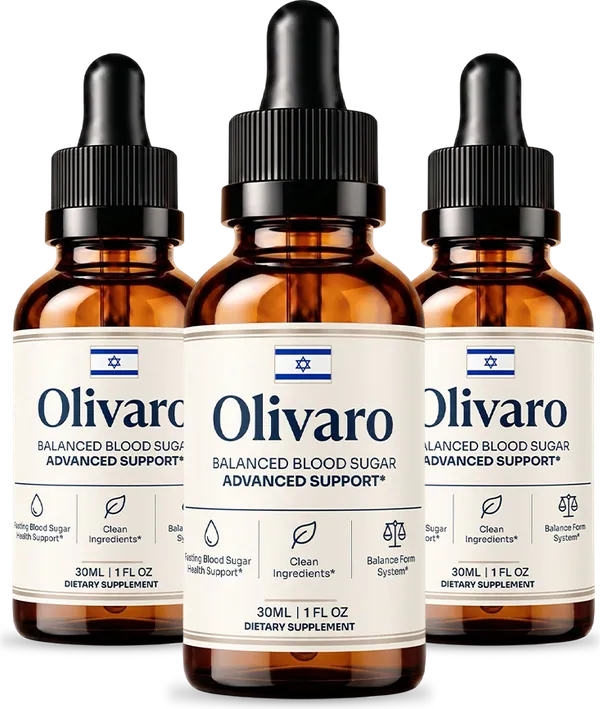
Ready to bring the best of the world’s kitchens into your routine? Get Olivaro from the official site and make the morning dropper part of your day, or read our full review first.
Frequently asked questions
Is the Mediterranean diet good for blood sugar?
The Mediterranean eating pattern, built on vegetables, legumes, whole grains, olive oil, nuts and fish, is one of the eating patterns the American Diabetes Association recognizes as a healthy option for people managing blood sugar. Its fiber, healthy fats and modest portions of refined carbs help meals digest more slowly.
What is the Mediterranean diet for diabetes, in simple terms?
Plenty of vegetables and beans, whole grains instead of refined ones, olive oil as the main fat, fish and poultry more often than red meat, nuts and fruit as snacks, and sweets kept for occasions. It is a flexible pattern, not a strict menu, and your doctor or dietitian can adapt portions to your needs.
What can I learn from the Japanese way of eating?
Three simple ideas travel well: smaller bowls and plates, eating slowly until you are comfortably satisfied rather than stuffed (the Okinawan saying hara hachi bu means eating until about 80% full), and starting the meal with vegetables or soup before the rice.
Does walking after dinner really help blood sugar?
Yes, for most people a light walk after a meal helps muscles use glucose from that meal. The Italian and Spanish habit of an evening stroll is an easy way to make it social. Even 10 to 15 minutes counts.
Do I have to give up my own culture’s food?
No. Every food culture has dishes that fit a blood sugar-friendly plate. The goal is to borrow a few habits, like more beans, more vegetables or a walk after dinner, and keep the dishes you love in sensible portions.
Can Olivaro replace a healthy diet or diabetes medication?
No. Olivaro is a dietary supplement designed to support healthy insulin function, balanced blood sugar levels and carbohydrate metabolism alongside healthy eating. It works alongside healthy food choices and the care you already follow. If you take medication for blood sugar, talk to your doctor before starting.
This article is for general information only and is not medical advice. Dietary supplements are not intended to diagnose, treat, cure or prevent any disease. Talk to your doctor before changing your diet, exercise or supplements, especially if you take medication.